What Wall Street Market Was
Wall Street Market operated as a centralized darknet marketplace accessible only through the Tor network. It launched around 2016 and grew to rival other major platforms by offering a wide range of product categories, vendor storefronts, and a built-in messaging system. The marketplace used an escrow system where funds were held by the platform until buyers confirmed receipt of goods, theoretically protecting both parties. Users accessed it through .onion addresses, which required the Tor Browser to reach. The platform maintained a public-facing reputation score for vendors and displayed user reviews, mimicking the structure of legitimate e-commerce sites but operating entirely outside legal oversight.
How the Marketplace Functioned
Wall Street Market operated on a commission model, taking a percentage of each transaction. Vendors created storefronts, uploaded product listings with images and descriptions, and set their own prices. Buyers browsed categories, placed orders, and communicated with sellers through encrypted messages. The escrow system held cryptocurrency (typically Bitcoin) until the transaction completed. Disputes were resolved through a moderator system, though enforcement relied on the marketplace's reputation rather than legal recourse. The platform also featured a forum section where users discussed operations, shared tips, and complained about scams. This structure created a false sense of legitimacy and security, but it ultimately concentrated risk in a single point of failure: the marketplace operators themselves.
The Seizure and Law Enforcement Action
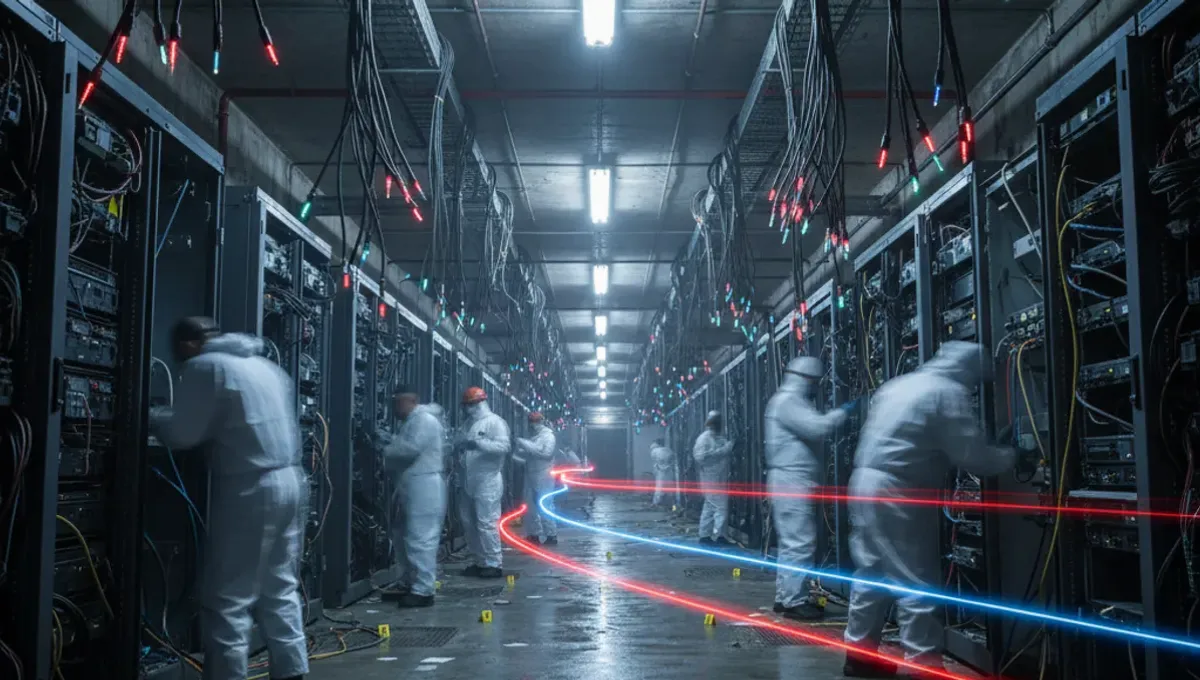
In April 2020, German law enforcement seized Wall Street Market's servers and arrested the alleged operators. The takedown was coordinated with U.S. authorities and resulted in the marketplace going offline permanently. Investigators had been monitoring the platform for months, tracing cryptocurrency transactions and identifying infrastructure vulnerabilities. The seizure revealed that despite claims of decentralization and anonymity, the marketplace relied on centralized servers that could be located and seized. Users who had cryptocurrency held in escrow lost access to their funds. The case demonstrated that even large, well-established darknet markets remain vulnerable to traditional law enforcement techniques: server identification, financial tracking, and operational security failures by administrators. The arrest of the operators showed that running such a platform carries severe legal consequences in most jurisdictions.
Why Users Trusted It and Why That Trust Failed
Wall Street Market attracted users through a combination of features: a clean interface, responsive moderators, and a reputation system that appeared transparent. Vendors with high ratings and long histories created a sense of reliability. The escrow system promised protection against theft. However, this trust was misplaced for several reasons. First, the centralized nature of the platform meant that operators could exit scam at any time, disappearing with all escrowed funds. Second, the reputation system could be gamed through fake reviews or vendor collusion. Third, and most critically, the platform's existence depended entirely on the operators' ability to evade law enforcement, which ultimately failed. Users who deposited funds or placed orders had no legal recourse and no way to verify that their data or money was actually secure. The seizure proved that perceived anonymity does not equal actual security.
Phishing Clones and Impersonation
After Wall Street Market's seizure, multiple fake versions appeared claiming to be the original marketplace or its successor. These clones used similar branding, copied the original interface, and promised to restore users' funds or access. Scammers created lookalike .onion addresses that differed by a single character from the real address. Users who had lost money in the seizure were particularly vulnerable to these phishing attempts, hoping to recover their cryptocurrency. The clones collected login credentials, cryptocurrency deposits, and personal information from victims. This pattern repeats across darknet markets: when a major platform closes, impersonators proliferate. Verifying the authenticity of any darknet marketplace address requires checking PGP-signed announcements from official sources, not relying on search results or word-of-mouth. The wall street market darknet reddit discussions often included warnings about fake mirrors, but many users ignored them.
Reality Layer: What Actually Happened in the Darknet Ecosystem
According to law enforcement press releases from the U.S. Department of Justice and German authorities, Wall Street Market's seizure was possible because the operators maintained centralized infrastructure despite claims of decentralization. This matters because it shows that darknet marketplaces cannot truly hide their servers indefinitely; they must connect to the internet somewhere, and that connection can be traced through traditional cybercrime investigation techniques. Academic research on onion services (published by the Tor Project and security researchers) confirms that most darknet markets fail not because of technical flaws in Tor itself, but because of operational security mistakes by administrators: reusing identifiers, maintaining unencrypted logs, or using cryptocurrency transactions that can be traced on the blockchain. Court records from the Wall Street Market case revealed that investigators used a combination of server forensics, cryptocurrency analysis, and informant tips to build their case. For ordinary users, this means that using a darknet marketplace carries not only the risk of being scammed by the platform itself, but also the risk of law enforcement action. No marketplace operator can guarantee that their infrastructure will remain hidden, and users who deposit funds or place orders are betting their money and potentially their freedom on that guarantee.
Lessons for Understanding Darknet Security
The wall street market darknet review discussions that circulated before the seizure often praised the platform's security and reliability, yet none of those features prevented its closure. This reveals a fundamental misunderstanding: technical security (encryption, Tor routing, cryptocurrency) is not the same as operational security or legal invulnerability. A marketplace can have perfect encryption and still be seized if its servers are located. Users cannot verify that a marketplace operator is trustworthy, that their funds are actually in escrow, or that their personal data is not being logged. The wall street market darknet link that users shared was simply a pointer to a server that law enforcement could reach. The broader lesson is that centralized darknet marketplaces are inherently fragile, and users who participate in them accept significant risks: financial loss through scams or seizure, legal exposure, and identity theft from phishing clones. Understanding these risks is the first step toward making informed decisions about online anonymity and security.
What You Can Do Today
If you are researching darknet marketplaces for security awareness or academic purposes, start by reading official law enforcement reports and court documents rather than marketplace reviews or Reddit discussions. These sources provide factual information about how platforms operated and why they failed. If you have encountered a wall street market darknet reddit thread or a link claiming to be the marketplace, verify it through the Useful Resources page of this site, which lists official sources for checking whether darknet addresses are legitimate. Never deposit money into any darknet marketplace based on reputation scores or user testimonials alone. If you are interested in understanding how Tor and onion services actually work, read the Tor Project's documentation rather than marketplace guides. Finally, if you have been targeted by a phishing clone or lost money in a darknet marketplace, report it to your local law enforcement agency and to the FBI's Internet Crime Complaint Center; these reports help investigators build cases against scammers and marketplace operators.
Common Questions
Is Wall Street Market still online
No. Wall Street Market was seized by German law enforcement in April 2020 and permanently taken offline. Any site claiming to be Wall Street Market or offering to restore access to it is a phishing clone or scam. Verify any darknet address through official sources before trusting it.
What happened to users' money when Wall Street Market was seized
Users who had cryptocurrency held in escrow lost access to those funds when the marketplace went offline. Law enforcement seized the servers, and there was no mechanism for users to recover their money. This is one of the major risks of using centralized darknet marketplaces.
How did law enforcement find and shut down Wall Street Market
German authorities located the marketplace's servers through a combination of server forensics, cryptocurrency transaction analysis, and investigative work. The seizure showed that despite using Tor and cryptocurrency, centralized darknet marketplaces can be traced and shut down through traditional law enforcement techniques.
Are there fake Wall Street Market sites trying to scam people
Yes. After the seizure, multiple phishing clones appeared using similar names and interfaces. These fake sites collect login credentials and cryptocurrency from users hoping to recover lost funds. Always verify a darknet address through official PGP-signed announcements, not through search results or forum posts.
What can I learn from Wall Street Market's closure about darknet security
The closure demonstrates that centralized darknet marketplaces are vulnerable to law enforcement, that reputation systems can be misleading, and that users have no legal recourse if a platform is seized or scammed. It shows that technical anonymity does not equal operational security or legal protection.