What Silk Road Was and How It Operated
Silk Road was an online marketplace accessible only through the Tor browser, designed to facilitate the sale of goods and services with buyer and seller anonymity. It operated as a forum-style site where vendors created storefronts, buyers left reviews, and the site's operator collected a commission on each transaction. The marketplace used Bitcoin for payments, which at the time was far less traceable than it is now. Silk Road's design borrowed from legitimate e-commerce platforms like eBay, complete with dispute resolution and seller ratings, but applied those mechanisms to an illegal supply chain. The site's creator, Ross Ulbricht, marketed it as a libertarian experiment in free trade, but the vast majority of listings were for controlled substances and other contraband.
The Rise and Scale of the First Major Darknet Market
Between 2011 and 2013, Silk Road grew from a small experimental site to a marketplace with tens of thousands of active vendors and hundreds of thousands of users. Court documents later revealed that the site processed over 1.2 million transactions and generated roughly 600,000 Bitcoin in revenue. This scale was unprecedented for an illegal marketplace; previous drug distribution relied on in-person networks or phone lines, all of which left traces. Silk Road proved that Tor and cryptocurrency could support a functioning economy, which attracted both users seeking privacy and law enforcement attention. The marketplace became so well-known that it was featured in mainstream media, which paradoxically increased both its user base and the urgency of its investigation.
Operational Security Failures and the FBI Investigation
Silk Road's downfall stemmed not from a breakthrough in breaking Tor encryption, but from operational security mistakes by its operator. Ross Ulbricht used the username 'Dread Pirate Roberts' across multiple forums and platforms, sometimes without proper anonymization. He also registered the site's domain name using personal information and accessed it from locations that could be traced. The FBI investigation, which began in 2011, combined traditional detective work with analysis of Bitcoin transactions and Tor traffic patterns. By 2013, agents had enough evidence to arrest Ulbricht at a public library in San Francisco. His laptop was seized before he could destroy its contents, and investigators recovered server logs, private messages, and financial records that proved his identity and control of the marketplace.
Why Silk Road Mattered to the Darknet Ecosystem
Silk Road demonstrated that a centralized darknet market could operate profitably and attract a large user base, which inspired the creation of successor markets like Alphabay, Agora, and later Aero. Each of these platforms copied Silk Road's basic design: vendor accounts, buyer protection, dispute resolution, and Bitcoin payments. However, they also learned from Silk Road's mistakes and implemented stronger anonymization practices for their operators. The marketplace also showed that law enforcement could pursue darknet crime using conventional investigative techniques combined with blockchain analysis and Tor exit node monitoring. This realization shifted the security practices of both marketplace operators and users, leading to the adoption of multi-signature escrow, PGP encryption for communications, and more careful operational security.
The Seizure and Its Aftermath
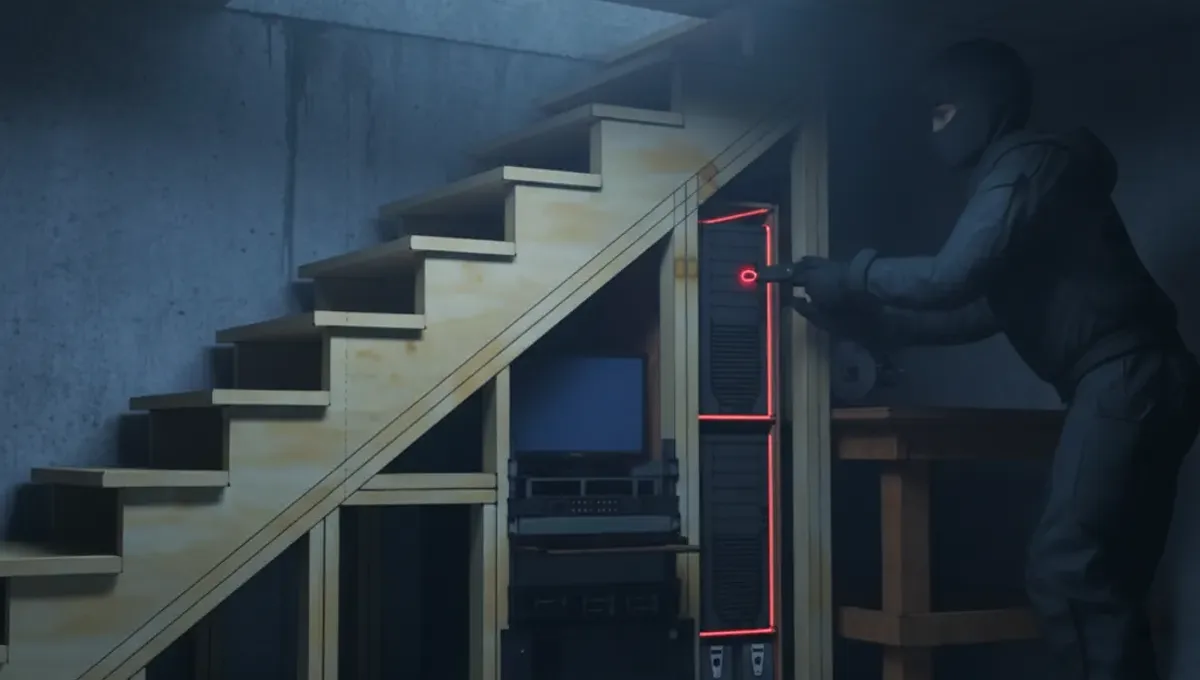
On October 2, 2013, the FBI shut down Silk Road and arrested Ross Ulbricht. The seizure of the marketplace's servers and Ulbricht's personal devices provided law enforcement with an unprecedented archive of darknet market operations. Ulbricht was convicted of money laundering, computer fraud, and conspiracy to distribute narcotics, and sentenced to life in prison. The seizure also recovered approximately 144,000 Bitcoin, which the government has held and periodically auctioned. The marketplace's closure did not eliminate demand for darknet commerce; instead, it accelerated the launch of new markets that promised better security and operator anonymity. The 2022 darknet market landscape includes dozens of active platforms, many of which explicitly market themselves as improvements over Silk Road's failed model.
Reality Layer: What Silk Road Revealed About Darknet Security
Tor Project documentation emphasizes that Tor protects communication metadata but does not protect users from their own mistakes or from the consequences of hosting a service on the network. Silk Road's seizure proved this principle: the marketplace's anonymity was compromised not by breaking Tor, but by the operator's failure to maintain operational security. Law enforcement press releases from the FBI and Department of Justice noted that Bitcoin transactions, while pseudonymous, leave a permanent record on the blockchain that can be analyzed and traced when combined with other data sources. This insight matters because it shows that users who assume cryptocurrency payments are untraceable are taking a significant risk. Academic research on onion services has documented that the majority of seized darknet markets fell due to operator mistakes rather than technical breakthroughs, which means that the security of any marketplace depends heavily on the competence and paranoia of its administrators.
Lessons for Understanding Modern Darknet Markets
Silk Road's history provides a framework for evaluating the risks of any darknet marketplace today. When assessing whether a market is likely to be seized or exit scam, consider the following factors:
- How long has the market been operating without disruption.
- Does the operator maintain consistent anonymity across all communications and platforms.
- Does the market use multi-signature escrow and other technical safeguards against theft.
- Are there documented cases of law enforcement successfully tracing transactions or identifying the operator.
- Has the market experienced previous hacks or data breaches that exposed user information.
No darknet market is risk-free, and Silk Road's legacy is a reminder that even the most successful platforms can be dismantled. Users who choose to engage with any darknet marketplace should assume that their activity could eventually be traced, either through blockchain analysis, law enforcement cooperation with hosting providers, or operator mistakes. The 2022 darknet market environment includes platforms like Alphabay (which was seized in 2017), Agora (which closed voluntarily), and others that have adopted stronger security practices, but none of them offer the absolute anonymity that their marketing claims suggest.
Common Questions
What was Silk Road and when did it shut down
Silk Road was the first major darknet marketplace, operating from 2011 until its seizure by the FBI on October 2, 2013. It allowed buyers and sellers to trade goods anonymously using Tor and Bitcoin. The marketplace's operator, Ross Ulbricht, was arrested and convicted of money laundering and drug trafficking conspiracy.
How did the FBI find and shut down Silk Road
The FBI investigation combined traditional detective work with blockchain analysis and Tor traffic monitoring. The breakthrough came when investigators identified Ross Ulbricht through his operational security mistakes, including reusing usernames and registering the domain with personal information. Agents arrested Ulbricht at a public library and seized his laptop before he could destroy evidence.
Did Silk Road's seizure stop darknet markets
No. Silk Road's closure accelerated the launch of successor markets like Alphabay and Agora, which copied its design but attempted to implement stronger security practices. The 2022 darknet market landscape includes dozens of active platforms, though many have been seized or exit scammed since Silk Road's takedown.
Why is Silk Road important to understand today
Silk Road demonstrated that law enforcement can pursue darknet crime using conventional investigative techniques combined with blockchain analysis. It also showed that operator mistakes, not technical breakthroughs in breaking Tor, are the primary cause of marketplace seizures. This lesson applies to evaluating the security and longevity of any darknet market.
What happened to the Bitcoin seized from Silk Road
The FBI recovered approximately 144,000 Bitcoin from Silk Road's servers and Ross Ulbricht's devices. The government has held this Bitcoin and periodically auctioned portions of it, generating significant revenue. The seized Bitcoin remains a matter of public record and periodic news coverage.