What Hydra Market Was and Its Scale
Hydra Market was a Russian-language darknet marketplace that operated on the Tor network, accessible only through .onion addresses. It functioned as a platform where vendors could list goods and services, with the marketplace taking a commission on transactions. The platform was known for its sophisticated escrow system, dispute resolution mechanisms, and vendor verification processes that mimicked legitimate e-commerce platforms.
The marketplace catered primarily to Russian-speaking users across Russia, Ukraine, Belarus, and other post-Soviet countries. By the time of its seizure, Hydra had accumulated hundreds of thousands of vendor accounts and millions of user registrations. Transaction volumes were reported in the billions of dollars annually, making it significantly larger than many other darknet markets operating at the same time. The platform's longevity and scale made it a focal point for both cybercriminals and law enforcement agencies tracking darknet activity.
How Hydra Market Operated Technically
Hydra Market operated as a centralized marketplace accessible through multiple mirror sites and .onion addresses. Users accessed the platform through the Tor Browser, which anonymized their connection to the server. The marketplace required registration and used a reputation system similar to legitimate auction sites, where vendors built trust through positive feedback and transaction history.
The platform employed an escrow system where cryptocurrency (primarily Bitcoin and Monero) was held by the marketplace during transactions, released to the vendor only after the buyer confirmed receipt. This reduced the risk of scams compared to direct peer-to-peer transactions. Hydra also operated a forum section where users discussed products, vendors, and operational security practices. The marketplace enforced rules against certain activities, maintained vendor verification processes, and offered customer support channels, all designed to create a sense of legitimacy and stability that encouraged repeat users and high transaction volumes.
Revenue Model and Financial Operations
Hydra Market generated revenue through multiple streams. The primary income came from transaction fees, typically a percentage of each sale processed through the escrow system. The marketplace also charged vendors for listing services, featured placement options, and account verification. Additionally, Hydra operated a cryptocurrency tumbler service that allowed users to obscure the origin of funds, generating additional revenue while providing a service that attracted users concerned about transaction traceability.
The marketplace accepted cryptocurrency payments and accumulated substantial reserves in Bitcoin and Monero. These holdings represented both operational capital and profit. The decentralized nature of cryptocurrency meant that Hydra could operate without traditional banking relationships, though this also made the marketplace vulnerable to law enforcement seizure of cryptocurrency wallets if authorities gained access to the servers. The financial model relied on volume and user trust, with the marketplace investing in infrastructure, security, and operational expenses to maintain its competitive position against rival darknet markets.
User Base and Market Dynamics
Hydra's user base consisted primarily of Russian-speaking individuals, though the marketplace attracted international users seeking Russian goods and services. The platform hosted vendors selling a wide range of items, from digital goods and services to physical products. The marketplace became known for its organized structure and professional approach compared to some competing darknet markets that operated with less formal governance.
The vendor community on Hydra developed specializations and reputation hierarchies. Established vendors with thousands of positive reviews commanded premium prices and attracted loyal customers. New vendors faced barriers to entry, requiring verification and building reputation through smaller transactions before accessing higher-volume opportunities. This structure created a semi-legitimate marketplace dynamic where professional vendors treated the platform as a business rather than a one-time criminal venture. The competitive environment encouraged vendors to maintain quality and reliability, which paradoxically made Hydra a more stable platform than some alternatives, though this stability ultimately made it a more attractive target for law enforcement.
The 2022 Seizure and Law Enforcement Action
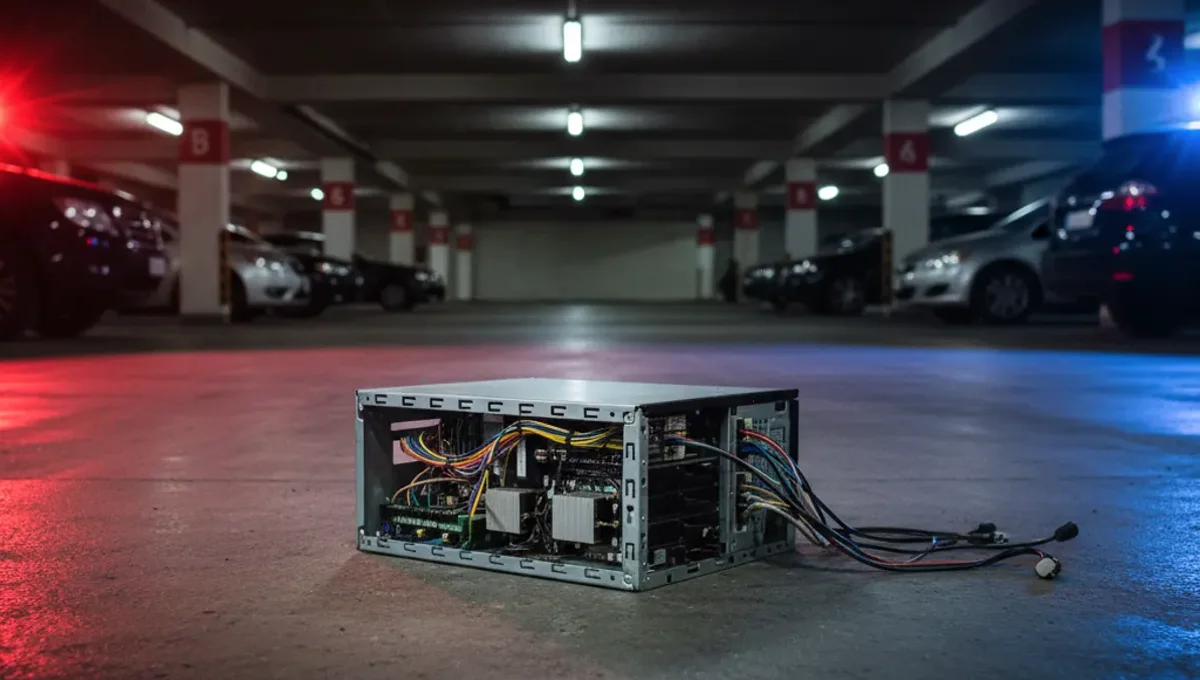
In April 2022, law enforcement agencies from multiple countries, coordinated through international cooperation, seized Hydra Market's infrastructure and arrested key operators. The operation resulted in the takedown of the marketplace's servers and the identification of individuals involved in running the platform. Cryptocurrency wallets associated with Hydra were also seized, representing substantial financial assets accumulated through years of operations.
The seizure was preceded by investigations that tracked cryptocurrency transactions, identified server locations, and gathered evidence of the marketplace's operations. Law enforcement agencies released public statements about the action, emphasizing the scale of the marketplace and the criminal activity it facilitated. The takedown demonstrated that even large, well-organized darknet markets operating across multiple jurisdictions remained vulnerable to coordinated international law enforcement efforts. Following the seizure, some users and vendors migrated to alternative darknet markets, while others attempted to establish successor platforms claiming continuity with Hydra's operations, though these were typically phishing scams or unrelated projects exploiting the marketplace's reputation.
Reality Layer: How Darknet Markets Actually Fail
Several documented patterns explain why Hydra and similar marketplaces eventually face seizure or collapse. First, centralized infrastructure creates a single point of failure. Despite using Tor and distributed mirrors, Hydra's core servers were physical machines located in specific jurisdictions, making them vulnerable to law enforcement raids and seizure. According to court records and law enforcement press releases from the Hydra seizure operation, the identification of server locations was a critical factor in the takedown.
Second, cryptocurrency transactions, while pseudonymous, leave permanent records on blockchains that can be analyzed through chain analysis techniques. Security-vendor incident reports and academic research on Tor services document how transaction patterns, wallet clustering, and exchange interactions can be traced by determined investigators. Third, operational security failures by marketplace operators and vendors create investigative leads. Court records from darknet market prosecutions consistently show that individuals involved in running these platforms eventually make mistakes that expose their identities or locations. Finally, the Tor Project documentation emphasizes that Tor provides anonymity for communication, not protection against law enforcement with sufficient resources and international cooperation. Understanding these realities matters because it shows that darknet markets are not impenetrable, and users who believe otherwise face significant legal and financial risks.
Phishing Clones and Successor Scams
Following Hydra's seizure, multiple fraudulent sites claiming to be the marketplace or its successors appeared on the darknet. These phishing clones mimicked Hydra's interface and branding to trick users into depositing cryptocurrency or revealing account credentials. Scammers exploited the marketplace's reputation and the confusion created by its sudden disappearance to steal from users seeking to access their accounts or continue using the platform.
Verifying the authenticity of any darknet marketplace address requires checking PGP-signed announcements from official sources, which legitimate projects publish on multiple platforms to prevent impersonation. The Tor Project's documentation on onion services emphasizes that .onion addresses should be verified through multiple independent sources before trusting them with funds or sensitive information. Users who encountered Hydra successor sites without verifying addresses through official channels lost cryptocurrency to scammers. This pattern repeats across darknet markets: when a major marketplace closes, fraudsters quickly create fake versions to exploit the confusion and user desperation to regain access to funds.
What Hydra's Closure Means for Darknet Security
The seizure of Hydra Market demonstrated that large, profitable darknet marketplaces remain vulnerable to law enforcement despite their technical sophistication. The operation showed that international cooperation, cryptocurrency analysis, and traditional investigative techniques can successfully target even well-organized criminal infrastructure. For ordinary users and companies, this means that relying on darknet markets for any purpose carries substantial legal and financial risks, regardless of the marketplace's apparent stability or professional operations.
The closure also accelerated the fragmentation of the darknet marketplace ecosystem. Rather than a single dominant platform, the marketplace landscape became more distributed across multiple smaller sites, each with less infrastructure and less formal governance. This fragmentation makes the darknet less stable for users but also makes it harder for law enforcement to identify and target a single high-value objective. For security professionals and researchers, Hydra's seizure provided valuable data about how darknet markets operate, how they can be investigated, and what vulnerabilities exist in their operational security. The lessons from this case continue to inform law enforcement strategies and security awareness training about the risks of darknet involvement.
Common Questions
What was Hydra Market and why was it shut down
Hydra Market was the largest Russian-language darknet marketplace operating on Tor. It was seized in April 2022 by law enforcement agencies from multiple countries working together. The operation resulted in the takedown of the marketplace's servers, arrest of key operators, and seizure of cryptocurrency assets. The marketplace had operated for nearly a decade, generating billions in transaction volume before its closure.
How did Hydra Market work technically
Hydra operated as a centralized marketplace accessible through .onion addresses on the Tor network. Users registered accounts, vendors listed products, and the platform held cryptocurrency in escrow during transactions. The marketplace used a reputation system, dispute resolution, and vendor verification to create a professional-looking platform. It also offered a cryptocurrency tumbler service to help users obscure transaction origins.
Are there Hydra Market successor sites or clones
Following Hydra's seizure, multiple phishing scams and fraudulent sites claiming to be Hydra or its successors appeared on the darknet. These are scams designed to steal cryptocurrency from users. Verifying any darknet marketplace requires checking PGP-signed announcements from official sources. Users who deposited funds into unverified successor sites lost their cryptocurrency to scammers.
Why did law enforcement successfully seize Hydra Market
Despite using Tor and distributed mirrors, Hydra's core infrastructure consisted of physical servers in specific locations that law enforcement identified and seized. Cryptocurrency transaction analysis, operational security failures by marketplace operators, and international law enforcement cooperation all contributed to the takedown. The case demonstrated that centralized darknet markets remain vulnerable to determined investigations.
What happened to Hydra Market users and vendors after the seizure
Users and vendors lost access to their accounts and any funds held in escrow on the marketplace. Some migrated to alternative darknet markets, while others were targeted by phishing scams claiming to be Hydra successors. Law enforcement also used transaction records and other evidence from the seized marketplace to identify and prosecute individuals involved in criminal activity.