What Hydra Was and How It Operated
Hydra was a Russian-language darknet marketplace that operated on the Tor network. Unlike earlier markets such as Silk Road, Hydra did not use a traditional escrow system where the marketplace held funds during transactions. Instead, it pioneered a multisig escrow model, where the buyer, seller, and marketplace each held a cryptographic key needed to release payment. This design reduced the marketplace's ability to steal funds and made exit scams harder to execute.
The marketplace accepted cryptocurrency payments, primarily Bitcoin and Monero. Vendors sold drugs, forged documents, hacking tools, and stolen data. Hydra also hosted a forum where users discussed operations, shared security advice, and resolved disputes. The platform charged commissions on sales and maintained a reputation system similar to legitimate e-commerce sites.
The Scale and Reach of Hydra Market Link Activity
Hydra's transaction volume was unprecedented for a darknet marketplace. Law enforcement agencies estimated it processed billions of dollars annually, though exact figures remain uncertain because blockchain analysis cannot track all Monero transactions. The marketplace served primarily Russian-speaking users across Russia, Ukraine, Belarus, and other post-Soviet countries, though some international vendors also operated there.
The platform's success stemmed partly from its focus on a specific language and region, reducing competition from English-language markets like AlphaBay and Archetyp. Hydra also benefited from early adoption in markets where traditional banking was less accessible and cryptocurrency adoption was higher. By 2021, Hydra had become so dominant that its closure would reshape the entire Russian darknet ecosystem.
Comparison with Other Major Darknet Markets
Several large darknet markets operated alongside Hydra, each with distinct characteristics:
- AlphaBay was an English-language marketplace that operated from 2014 to 2017 and served a global audience before its seizure by the FBI and Dutch police.
- Archetyp emerged as a smaller market focused on European users and operated with a similar multisig escrow model.
- ASAP was a Russian market that competed with Hydra but remained smaller and less stable.
- Bohemia operated as a Russian market with a focus on cannabis sales and maintained a smaller user base than Hydra.
Hydra's dominance in the Russian market was comparable to AlphaBay's reach globally. Unlike AlphaBay, which was shut down through coordinated international law enforcement, Hydra's closure came through a direct U.S. Treasury Department action targeting its cryptocurrency infrastructure.
Why Hydra Mattered: The Reality of Darknet Enforcement
Hydra's operation revealed several truths about how darknet markets function and how law enforcement responds. According to Tor Project documentation and public law enforcement press releases, darknet markets are not truly anonymous to determined investigators. The U.S. Department of Justice and Treasury Department tracked Hydra's cryptocurrency transactions, identified its server infrastructure, and coordinated with international partners to disrupt its operations. This matters because it shows that scale and longevity do not guarantee safety from law enforcement.
Hydra also demonstrated that marketplace design alone cannot prevent abuse. Despite its technical innovations, the platform was used extensively for drug trafficking and fraud. Court records from related prosecutions show that vendors operated with minimal consequences for years, creating a false sense of security that ultimately proved unfounded.
The Seizure and What Happened Afterward
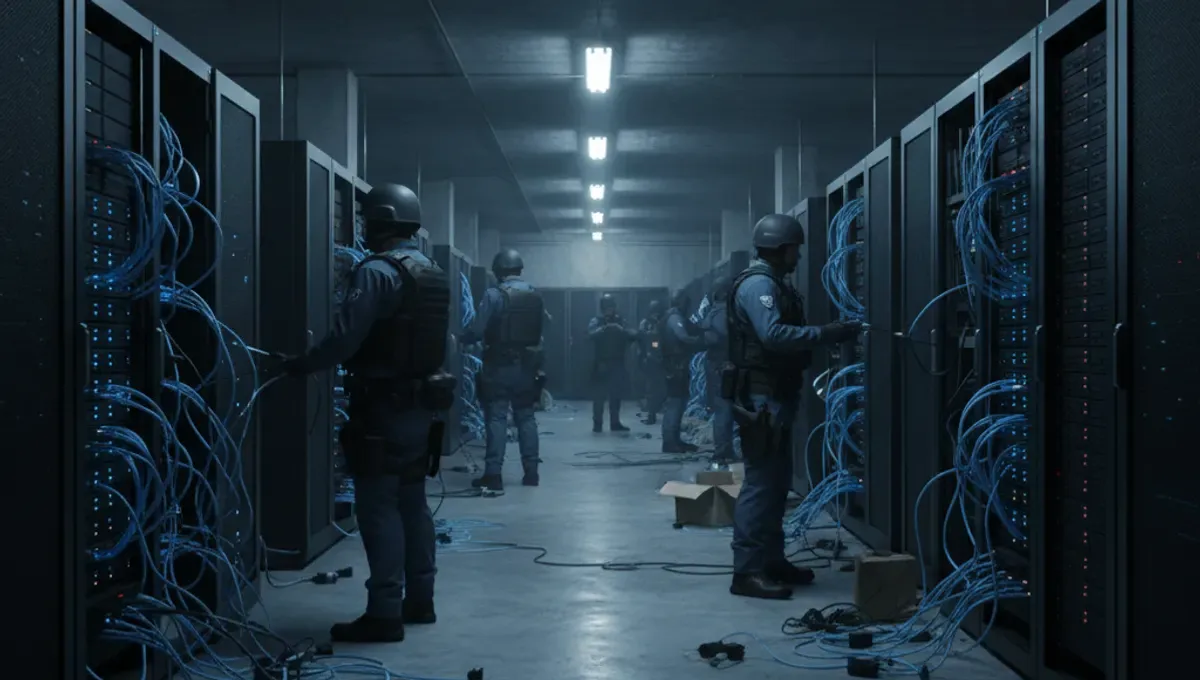
On April 5, 2022, the U.S. Treasury Department's Financial Crimes Enforcement Network (FinCEN) sanctioned Hydra and seized its cryptocurrency wallets. The marketplace went offline, and its administrators disappeared. The seizure was coordinated with international law enforcement and followed months of investigation into Hydra's financial flows.
Following Hydra's closure, several smaller markets attempted to capture its user base. Some users migrated to existing platforms like Bohemia and ASAP, while others sought new alternatives. The Russian darknet market landscape fragmented into multiple smaller, less stable platforms. No single marketplace has since achieved Hydra's scale, suggesting that law enforcement disruption has lasting effects on market consolidation.
Risks and Misconceptions About Darknet Markets
A common misconception is that using Tor or cryptocurrency provides complete anonymity. Security-vendor incident reports and academic research on onion services show that cryptocurrency transactions leave traces on the blockchain that forensic analysts can follow. Even Monero, which offers better privacy than Bitcoin, is not immune to analysis when combined with other operational security failures.
Another misconception is that darknet markets are safer than street-level transactions. In reality, they introduce new risks: phishing clones that steal credentials, exit scams where administrators vanish with customer funds, law enforcement infiltration, and disputes that cannot be resolved through legitimate courts. Users who believed Hydra was secure because it had operated for years were often the ones who lost the most when it was seized.
How to Verify Information About Darknet Markets
If you encounter a link claiming to be a Hydra mirror or a new Hydra marketplace, verify it carefully before trusting it. Phishing clones are common after a market closure because scammers exploit users' familiarity with the original platform's name.
To verify whether a darknet address is legitimate:
- Check the official Tor Project directory and security advisories for any announcements.
- Look for PGP-signed statements from the marketplace's administrators on trusted forums or their official communication channels.
- Compare the .onion address character-by-character with any address you find; even a single character difference indicates a phishing clone.
- Be skeptical of any site that asks for credentials or payment before allowing you to browse.
- Consult the Useful Resources page of this site for links to verified security information.
No legitimate marketplace will ask you to trust it based on its reputation alone after a seizure.
Common Questions
Is Hydra still online
No. Hydra was seized by the U.S. Treasury Department on April 5, 2022, and has not returned. Any site claiming to be Hydra operating now is a phishing clone or scam. Law enforcement maintains the seizure, and the original marketplace's administrators have not resurfaced.
What happened to Hydra users and vendors
Some users lost cryptocurrency held in their accounts when the marketplace was seized. Vendors who had cryptocurrency in escrow also lost access to those funds. Law enforcement has pursued criminal cases against some high-level Hydra administrators and major vendors, resulting in arrests and prosecutions in multiple countries.
How did law enforcement find Hydra
Law enforcement tracked Hydra's cryptocurrency transactions, identified its server infrastructure, and worked with international partners. The investigation took months and involved analyzing blockchain data, server logs, and financial flows. The Treasury Department's action was the culmination of this work.
What darknet markets replaced Hydra
No single marketplace has replaced Hydra's dominance. Users migrated to smaller platforms like Bohemia, ASAP, and others. The Russian darknet market remains fragmented, with multiple smaller, less stable platforms competing for users. None has achieved Hydra's scale or longevity.
Can I access Hydra through a mirror or backup
Hydra does not have legitimate mirrors or backups. Any .onion address claiming to be Hydra is either a phishing scam or a fake created by scammers. The original marketplace's infrastructure was seized and is controlled by law enforcement.