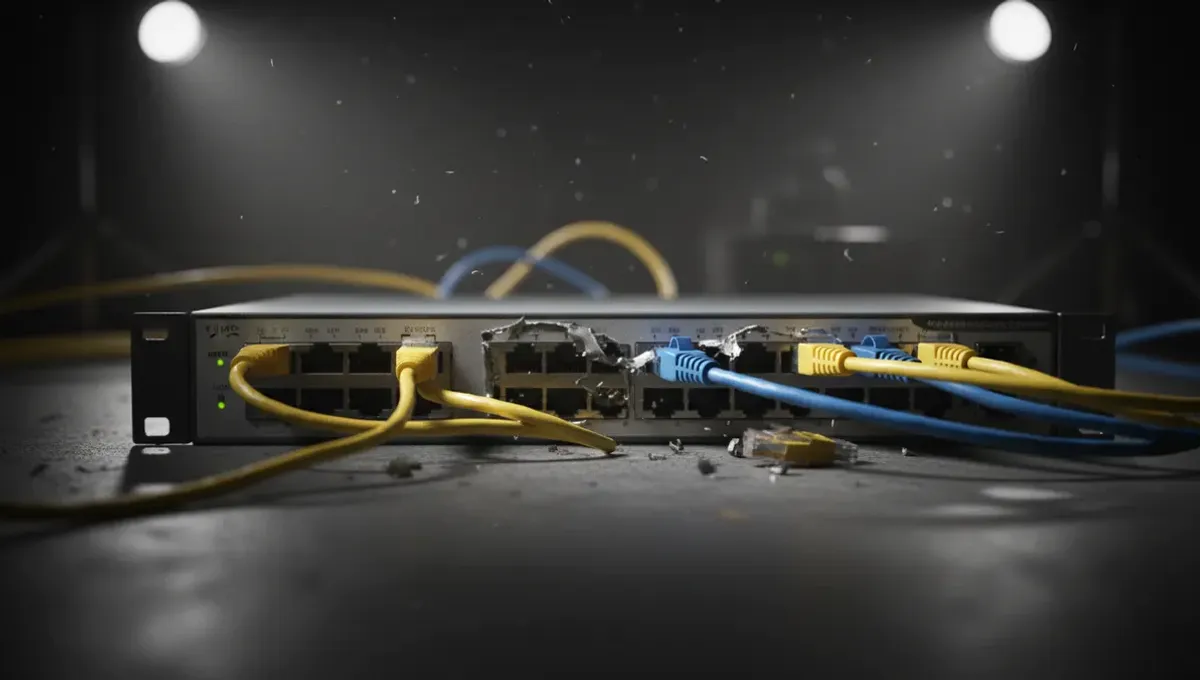
The State of Darknet Markets in 2022
By 2022, the darknet marketplace ecosystem bore little resemblance to the early days of Silk Road. Several major platforms that had dominated the previous years had already been seized by law enforcement or had closed following exit scams. The remaining best darknet markets operated with heightened security measures, including mandatory PGP encryption for communications and multi-signature escrow systems designed to prevent theft.
Vendors and buyers discussed the situation extensively on Reddit and other forums, noting that trust had eroded significantly. The average marketplace lifespan had shortened, and users reported increasing difficulty verifying whether an onion address belonged to the legitimate market or a phishing clone. This fragmentation meant that no single platform commanded the dominance that earlier markets had enjoyed, and the user base remained perpetually wary of the next exit scam or law enforcement action.
Major Takedowns and Market Closures Leading to 2022
The years immediately preceding 2022 saw several high-profile law enforcement operations that reshaped the darknet markets landscape. Agencies in the United States, Europe, and other jurisdictions coordinated takedowns that resulted in the seizure of market infrastructure, arrest of operators, and recovery of cryptocurrency. These actions demonstrated that even markets with sophisticated operational security could be compromised through investigative work, undercover operations, and blockchain analysis.
Exit scams also played a significant role in market attrition. When a market operator decided to close, they often absconded with customer funds held in escrow, sometimes amounting to millions of dollars worth of cryptocurrency. These incidents reinforced the fundamental risk that users faced: even if a market was not seized, the operators themselves might disappear with the money. By 2022, this pattern had repeated enough times that experienced users approached any marketplace with extreme skepticism.
How Darknet Markets Operated in 2022
The operational structure of darknet markets in 2022 followed patterns established over years of evolution. Markets required users to create accounts, deposit cryptocurrency into an escrow system, and browse vendor listings organized by category. Vendors paid fees to list products and maintained reputation scores based on buyer feedback. Communication between buyer and vendor typically occurred through encrypted messages within the platform.
Security measures included mandatory PGP key registration, two-factor authentication options, and forced address confirmation for orders. However, these protections only worked if users implemented them correctly. Many users failed to verify PGP signatures, fell for phishing clones that mimicked legitimate market interfaces, or reused passwords across multiple sites. The markets themselves were vulnerable to distributed denial-of-service attacks, which caused downtime and created opportunities for scammers to launch fake mirrors claiming the market was temporarily relocated.
Why Users Continued Using Darknet Markets Despite Risks
Despite the dangers, demand for darknet markets persisted in 2022 for several reasons. Users in countries with strict drug laws sought access to substances unavailable through legal channels. Some individuals purchased items they believed were safer or more reliable through darknet vendors than through street-level dealers. Others used markets for non-drug transactions, including the sale of stolen data, hacking services, or counterfeit documents.
The anonymity provided by Tor and cryptocurrency created the illusion of safety, even though both technologies left traces that law enforcement could follow. Users often underestimated the sophistication of investigative techniques, including blockchain analysis, IP address logging, and undercover operations. The combination of perceived anonymity, established reputation systems, and the genuine difficulty of law enforcement action across borders meant that markets continued to attract users despite high-profile seizures and scams.
Reality Layer: How Darknet Markets Actually Fail
According to Tor Project documentation and public law enforcement press releases, darknet markets fail through three primary mechanisms: operational security failures by administrators, blockchain analysis that traces cryptocurrency transactions, and undercover infiltration by law enforcement agents posing as vendors or buyers. Understanding these failure modes matters because they reveal that anonymity on the darknet is not absolute and that markets are not immune to investigation.
Court records from prosecutions show that operators often made mistakes in operational security, such as reusing email addresses, logging into market administration panels from non-Tor connections, or failing to properly segregate personal and operational cryptocurrency wallets. Security vendor incident reports document how phishing clones proliferated because users did not verify onion addresses through PGP-signed announcements or official mirrors. Academic research on onion services has shown that traffic analysis and timing attacks can sometimes correlate Tor users with their real-world identities, particularly when combined with other data sources. These insights matter because they demonstrate that using a darknet market carries real risks of law enforcement action, financial loss, and identity compromise, regardless of the market's reputation or security features.
Verification and Phishing: The Ongoing Problem
By 2022, phishing clones had become one of the most effective attacks against darknet market users. Scammers would create fake versions of popular market interfaces, promote them on forums and Reddit, and collect login credentials and cryptocurrency from unsuspecting users. The problem was compounded by the fact that onion addresses are long, random strings of characters that are difficult to memorize or verify by sight.
The legitimate defense against phishing required users to:
- Obtain the market's official onion address from a PGP-signed announcement posted by the market operator
- Verify the PGP signature using the operator's public key
- Bookmark the correct address and never click links from search results or forum posts
- Check that the address in the browser's address bar matches the bookmarked version before entering credentials
Many users skipped these steps, either because they did not understand PGP verification or because they found it inconvenient. This made phishing clones highly profitable for scammers and created a secondary layer of risk beyond the market operator's own security.
What Changed After 2022
The trajectory of darknet markets suggests that the ecosystem continues to evolve rather than disappear. Law enforcement actions create temporary disruptions but do not eliminate demand or the technical capability to operate markets. New platforms emerge, often incorporating lessons from previous seizures and scams, though they face the same fundamental vulnerabilities.
The broader lesson from 2022 and beyond is that darknet markets are not stable institutions but rather temporary arrangements that operate under constant threat. Users who participate in these markets face multiple overlapping risks: law enforcement prosecution, scams and exit scams, phishing attacks, and the possibility of their personal data being compromised or sold. The anonymity provided by Tor and cryptocurrency is real but incomplete, and it does not protect users from making poor operational security decisions or from trusting untrustworthy people. Anyone considering use of a darknet market should understand these risks clearly before proceeding.
Common Questions
What happened to darknet markets in 2022
By 2022, many major darknet markets had been seized by law enforcement or closed following exit scams. The remaining markets operated with heightened security measures and reduced user trust. Law enforcement agencies worldwide coordinated takedowns that demonstrated even sophisticated platforms could be compromised through investigative work and blockchain analysis.
Were there any active darknet markets in 2022
Yes, several markets continued operating in 2022, though their status changed frequently due to seizures, scams, and technical issues. The specific markets that were active changed over time, and users discussed their reliability on Reddit and other forums. Any market that was active in 2022 may no longer be operational, so current status should be verified independently.
How did people verify darknet market addresses in 2022
The legitimate method involved obtaining the market's official onion address from a PGP-signed announcement by the operator, verifying the signature using the operator's public key, and bookmarking the correct address. Many users skipped these steps, making them vulnerable to phishing clones that collected credentials and cryptocurrency from unsuspecting victims.
Why did darknet markets keep getting shut down
Markets were shut down through law enforcement operations involving undercover agents, blockchain analysis of cryptocurrency transactions, and operational security failures by administrators. Court records show that operators often made mistakes such as reusing email addresses or logging in from non-Tor connections, which allowed investigators to identify and prosecute them.
What risks did users face on darknet markets in 2022
Users faced multiple overlapping risks including law enforcement prosecution, exit scams where operators absconded with escrow funds, phishing clones that stole credentials, and the possibility of personal data compromise. The anonymity provided by Tor and cryptocurrency was real but incomplete and did not protect users from poor operational security decisions or trusting untrustworthy people.