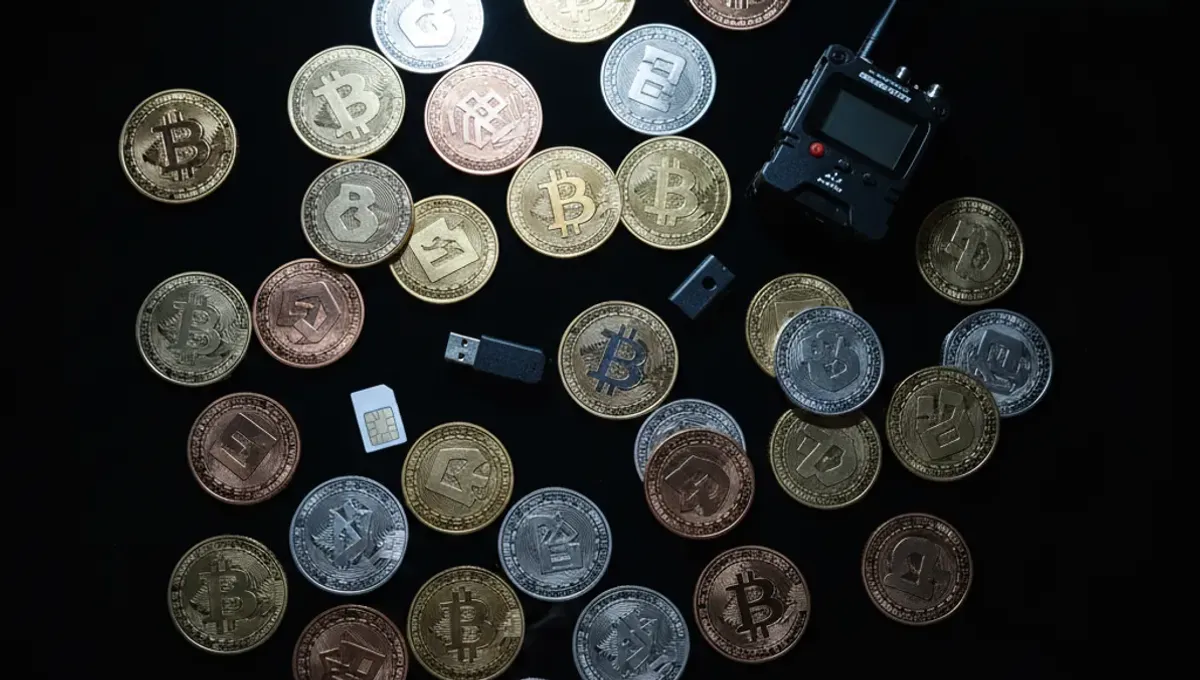
What Dark Web Markets Were and How They Operated
Dark web markets were online platforms accessible only through Tor, designed to facilitate transactions while obscuring user identity. They typically operated as centralized marketplaces where vendors listed goods and services, buyers placed orders, and the platform held funds in escrow until delivery was confirmed. The most well-known markets used multi-signature wallets and reputation systems similar to legitimate e-commerce sites, but without legal oversight or buyer protection.
These markets attracted both legitimate privacy advocates and those seeking to buy or sell illegal goods. The anonymity provided by Tor made it difficult for law enforcement to identify participants, but it also made the markets themselves attractive targets for investigation. Markets typically charged vendor fees and took a percentage of each transaction, creating a revenue model that incentivized growth and longevity.
Notable Markets and Their Documented Fates
Several dark web markets became widely known through law enforcement actions and security research. Silk Road, which operated from 2011 to 2013, was shut down by the FBI, and its operator was arrested and convicted. Other markets like AlphaBay and Hansa were seized by international law enforcement in coordinated operations. Some markets, such as Hydra, operated for years before being targeted. Others closed voluntarily, sometimes after exit scams where operators disappeared with customer funds.
Each closure or seizure typically followed a pattern: investigators identified the market's infrastructure, traced transactions through blockchain analysis or other means, and executed warrants. The legal consequences for operators have included lengthy prison sentences. These documented cases demonstrate that operating a dark web market carries substantial legal risk, regardless of the anonymity provided by Tor.
Why Dark Web Markets Attracted Users
Users were drawn to dark web markets for different reasons. Some sought privacy for legitimate purchases; others sought access to restricted goods or services. The markets offered a degree of pseudonymity that regular e-commerce sites did not, and they operated outside the jurisdiction of any single country. Reputation systems and escrow mechanisms created a veneer of trust, even though the underlying platform could disappear or be compromised at any time.
Vendors used these platforms to reach a global customer base without traditional payment processors or banking relationships. This decentralization was both a feature and a flaw: it allowed markets to operate without corporate infrastructure, but it also meant no recourse if a transaction went wrong. The appeal of dark web markets lay partly in the perception that they were safer than street-level transactions, though this safety was always illusory.
How Law Enforcement Dismantled Dark Web Markets
Law enforcement agencies developed multiple techniques to identify and shut down dark web markets. These included infiltrating markets with undercover agents, analyzing blockchain transactions to trace cryptocurrency flows, and exploiting operational security mistakes by market administrators. Some operations involved cooperation between multiple countries and agencies, coordinated to take down markets and arrest key figures simultaneously.
The Tor Project documentation notes that while Tor itself is designed for privacy, users who engage in illegal activity often make mistakes that reveal their identity: reusing usernames, logging in from the same IP address, or failing to cover their tracks when moving funds. Court records from market seizures show that investigators often combined blockchain analysis with traditional surveillance to build cases. These successes demonstrate that anonymity is not absolute, and that running a market requires sustained operational security that most operators failed to maintain.
Reality Layer: How Dark Web Markets Actually Fail
Three key insights shape how dark web markets behave and why they collapse:
1. Escrow systems create a single point of failure. When a market holds funds, it becomes a target for both law enforcement and other criminals. Security-vendor incident reports on market seizures consistently show that the escrow wallet was the primary asset seized.
2. Operational security mistakes are inevitable at scale. As markets grow, they require more staff, more infrastructure, and more communication. Each person and each server is a potential weak point. Court records from major market prosecutions show that operators were identified through email addresses, hosting providers, or cryptocurrency transactions that were not properly anonymized.
3. Cryptocurrency transactions are traceable. While Bitcoin and Monero offer pseudonymity, blockchain analysis firms and law enforcement have developed tools to cluster addresses and follow transaction flows. This matters because it means that even if a market operator's identity is not immediately known, their financial activity can be tracked and eventually linked to real-world identity through exchanges or other on-ramps to the traditional financial system.
Risks of Relying on Dark Web Markets
Users who access dark web markets face multiple risks beyond legal consequences. Phishing clones of legitimate markets are common; scammers create fake versions of popular marketplaces to steal login credentials or funds. Malware targeting Tor users has been deployed by both criminals and law enforcement. Markets themselves may conduct exit scams, disappearing with customer deposits.
Even if a transaction appears to complete successfully, there is no legal recourse if the product is counterfeit, dangerous, or never arrives. Buyers have no protection equivalent to credit card chargebacks or escrow services offered by legitimate platforms. Vendors face the risk of being scammed by buyers who claim non-delivery. The anonymity that attracts users to these markets also means that disputes cannot be resolved through normal legal channels.
How to Verify Information About Dark Web Markets
If you encounter claims about a dark web market or a dark web link, verify the information through multiple sources before trusting it. Check the Useful Resources page on this site for guidance on how to identify legitimate Tor project announcements and how to verify PGP signatures on official communications. Be skeptical of any site claiming to maintain a current list of active markets, as such lists are often outdated or contain phishing clones.
Law enforcement agencies publish press releases when they seize markets or arrest operators; these are reliable sources for historical information. Academic research on onion services, published by security researchers and universities, provides technical analysis of how markets were structured and why they failed. Never assume that a dark web link you find online is legitimate; always cross-reference with multiple sources and verify PGP signatures when available.
Moving Forward: Security Awareness Over Curiosity
Understanding the history of dark web markets and how they operated teaches a practical lesson about anonymity, trust, and operational security. The pattern is consistent: markets that grew large enough to be valuable also became large enough to attract law enforcement attention. Those that tried to operate indefinitely eventually made mistakes or were compromised. The anonymity provided by Tor is real, but it is not a shield against investigation or against the inherent risks of transacting with strangers in an unregulated environment.
If you are interested in privacy and anonymity for legitimate reasons, focus on understanding how Tor works, how to use it safely, and how to protect your personal data. If you are researching dark web markets for academic or security purposes, rely on published research, court documents, and law enforcement announcements rather than attempting to access active markets. The most valuable skill is not knowing where to find a dark web market, but understanding why they fail and how to protect yourself from the risks they represent.
Common Questions
What is a dark web market list?
A dark web market list is a directory or collection of marketplaces that operated on Tor, either currently active or historically documented. Such lists are often outdated or contain phishing clones. Reliable information about markets comes from law enforcement press releases, court records, and security research rather than from unverified online directories.
Are dark web markets still operating?
The status of dark web markets changes constantly. Some markets are seized by law enforcement, others close voluntarily or conduct exit scams, and new ones occasionally emerge. Rather than relying on a static list, check recent law enforcement announcements and security research to understand the current landscape. Never assume a market you find online is legitimate without verification.
How did law enforcement shut down dark web markets?
Law enforcement used techniques including undercover infiltration, blockchain transaction analysis, and exploitation of operational security mistakes by market operators. Coordinated international operations targeted markets and arrested key figures. Court records show that investigators combined cryptocurrency tracing with traditional surveillance to build cases against market administrators.
What happened to users who bought from seized dark web markets?
Users who conducted transactions on seized markets typically faced no direct legal consequences unless they purchased large quantities of illegal goods or were specifically targeted by investigators. However, they lost any funds held in escrow on the market at the time of seizure. Law enforcement has also used seized markets as honeypots to identify and prosecute active users.
How can I tell if a dark web link is a phishing clone?
Verify any dark web link through the Useful Resources page on this site and by checking PGP-signed announcements from the Tor Project or security researchers. Phishing clones often have slightly different addresses or poor design. Never log into a market without confirming its address through multiple trusted sources, and always verify PGP signatures on official communications.