What Were Dark Markets in the UK Context
Dark markets serving the UK were encrypted online bazaars accessible only through the Tor browser, where vendors and buyers conducted transactions using cryptocurrency. Unlike surface web marketplaces, these sites operated without traditional business registration, payment processing, or customer protection. UK-based users and vendors participated in markets hosted on servers outside the country, though some markets explicitly catered to British buyers and sellers. The anonymity provided by Tor and the use of cryptocurrency like Bitcoin created a veneer of untraceable commerce, though this anonymity was often overstated. Law enforcement agencies in the UK, working with international partners, eventually traced many transactions and identified users through blockchain analysis, operational security failures, and traditional investigative techniques.
How Dark Markets Operated Across Regions
Dark markets typically operated as centralized platforms where vendors created accounts, listed products, and conducted escrow transactions. The model mirrored legitimate e-commerce sites but with no legal accountability or dispute resolution beyond the market operator's discretion. Markets serving the UK often had regional sections or language-specific forums to attract local users. Some markets expanded internationally, accepting vendors and buyers from dark markets albania, dark markets andorra, dark markets argentina, dark markets australia, and dark markets austria, creating a genuinely global trading network. Vendors used pseudonyms, maintained feedback ratings, and sometimes offered guarantees to build trust. However, the absence of legal recourse meant that exit scams, where operators disappeared with customer funds, were common and devastating for users who had no way to recover their money.
Why UK Users and Vendors Participated
UK participants used dark markets for a range of reasons, from purchasing controlled substances to selling stolen data or hacking services. The perceived anonymity attracted people who believed they could avoid detection by law enforcement. Some vendors operated as small-scale retailers, while others ran organized supply chains. Buyers often cited convenience and perceived product quality as reasons for using these markets over street-level transactions. The cryptocurrency payment system appealed to users who wanted to avoid traditional banking records. However, this reasoning frequently underestimated the capabilities of modern forensic analysis. Blockchain transactions, while pseudonymous, create a permanent ledger that law enforcement can analyze retrospectively, especially when users convert cryptocurrency to fiat currency through regulated exchanges that require identity verification.
Reality Layer: How Enforcement Actually Works
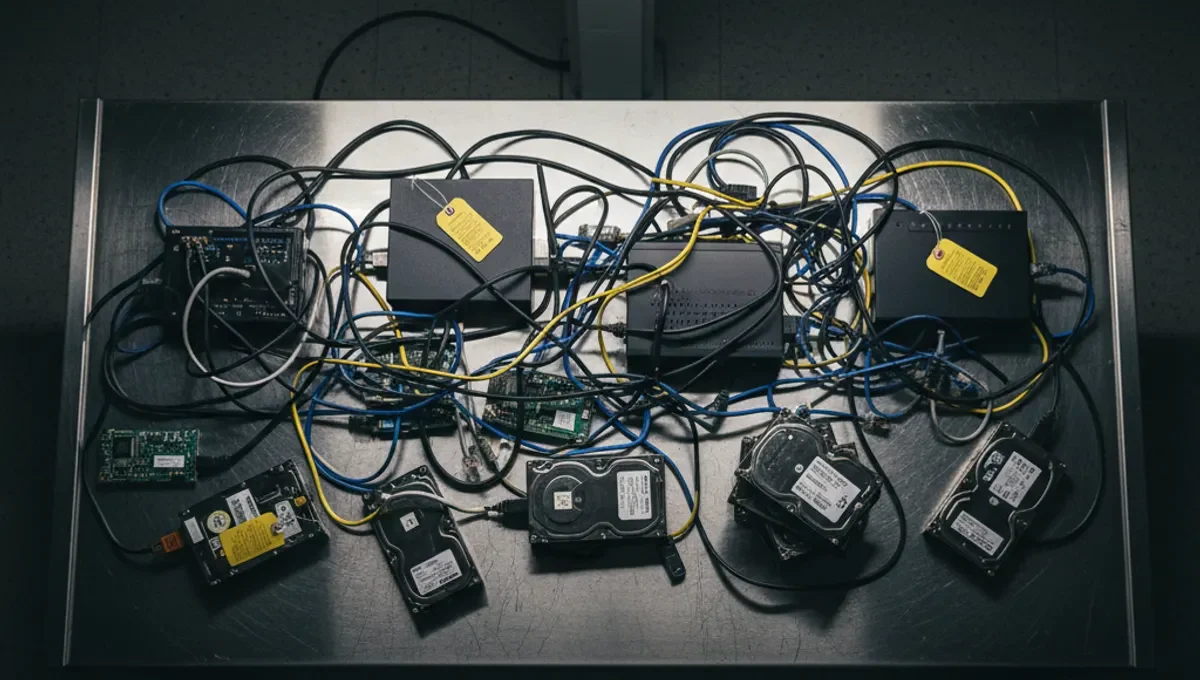
Law enforcement agencies in the UK, including the National Crime Agency and the Serious Fraud Office, have successfully prosecuted dark market users by combining multiple investigative techniques. According to public law-enforcement press releases and court records, investigators use blockchain analysis to trace cryptocurrency transactions, correlate them with exchange records where users converted funds to pounds sterling, and cross-reference this data with IP address logs obtained from internet service providers. This matters because it shows that the anonymity of Tor and cryptocurrency is not absolute; it requires operational security discipline that most users lack. The Tor Project documentation emphasizes that Tor protects against network-level surveillance but does not protect against user mistakes, such as reusing usernames across platforms or revealing personal information in messages. Academic research on onion services has documented that many market operators and vendors were identified through a combination of traffic analysis, metadata leaks, and traditional detective work rather than through cryptographic breaks. Security-vendor incident reports consistently show that market seizures often result from law enforcement obtaining server access through legal process or international cooperation, after which investigators can access user databases, transaction histories, and private messages.
Notable Seizures and Closures
The UK has been central to several major dark market takedowns. Law enforcement agencies, working with international partners including the FBI and Europol, have seized servers, arrested operators, and prosecuted vendors. These operations typically follow months or years of undercover investigation, financial tracking, and coordination across borders. When a market is seized, law enforcement publishes press releases detailing the charges, the scale of the operation, and the amounts of cryptocurrency or cash recovered. Court records from these cases reveal how investigators built their cases, what mistakes vendors and operators made, and how long investigations typically took. The public documentation of these cases serves as a deterrent and provides a record of how law enforcement adapts to new technologies. However, the closure of one market typically leads to the emergence of others, as the underlying demand and the technical infrastructure remain in place.
Risks and Misconceptions About Dark Market Participation
A widespread misconception is that using Tor and cryptocurrency guarantees anonymity. In reality, users face multiple risks: law enforcement can obtain transaction data through blockchain analysis, market operators can steal funds through exit scams, vendors can send counterfeit or dangerous products, and other users can attempt to scam or rob participants. Many users also underestimate the legal consequences of participation, even as buyers. Purchasing controlled substances or stolen goods is illegal regardless of the platform used. Another misconception is that dark markets are more trustworthy than street-level transactions because of vendor ratings and escrow systems. However, these systems are only as reliable as the market operator, who has no legal obligation to enforce them and can disappear with all funds at any time. Users who have lost money to exit scams or vendor fraud have no recourse and cannot report the loss to authorities without incriminating themselves.
Safer Approaches to Understanding the Darknet
If you are interested in darknet security, cryptocurrency forensics, or cybercrime trends, there are legitimate ways to learn without participating in illegal markets. Read published law enforcement reports, court documents, and academic research on darknet markets and their closure. Follow security researchers and journalists who cover darknet news and analysis. Use the Tor browser and visit legitimate onion services, such as news archives and privacy-focused resources, to understand how Tor works in practice. If you are concerned about your own privacy and security, focus on operational security fundamentals: use a VPN before connecting to Tor, keep your operating system and software updated, use strong and unique passwords, enable two-factor authentication on accounts that support it, and avoid reusing usernames across platforms. These practices protect you against both criminal actors and mass surveillance without requiring participation in illegal activities. The technical skills and security awareness you develop through legitimate study are far more valuable than the risks incurred by using dark markets.
Common Questions
Are dark markets in the UK still operating
The status of specific markets changes frequently. Some are seized by law enforcement, others close voluntarily, and new ones emerge. Rather than relying on outdated information, check the Useful Resources page of this site and look for PGP-signed announcements from law enforcement agencies. The underlying infrastructure and demand persist, but individual markets have limited lifespans.
Can you get caught using a dark market in the UK
Yes. Law enforcement uses blockchain analysis to trace cryptocurrency transactions, correlates this data with exchange records and IP logs, and has successfully prosecuted both vendors and buyers. Tor and cryptocurrency provide pseudonymity, not anonymity, and operational security mistakes are common. Court records show that many users were identified through a combination of financial tracking and traditional investigation.
What is the difference between dark markets in the UK and other countries
Dark markets operate globally and often serve users across multiple countries, including dark markets albania, andorra, argentina, australia, and austria. The main differences are in local law enforcement capabilities, the languages and currencies used, and regional vendor and buyer populations. However, the technical infrastructure and risks are largely the same.
How do law enforcement agencies shut down dark markets
Agencies use blockchain analysis to trace transactions, obtain IP logs from internet service providers, conduct undercover operations, and coordinate internationally. Once they identify the server location, they obtain legal process to seize it. This gives them access to user databases, transaction histories, and private messages, which are then used to prosecute operators and participants.
Is it safe to use Tor and cryptocurrency for privacy
Tor and cryptocurrency provide pseudonymity and can protect against network-level surveillance when used correctly, but they do not guarantee safety or anonymity. Operational security mistakes, such as reusing usernames or revealing personal information, can compromise your identity. Law enforcement has successfully traced many users despite their use of these tools. For legitimate privacy needs, combine Tor with other security practices like VPNs and strong passwords.