What Are Dark Markets and How Did They Operate in Thailand
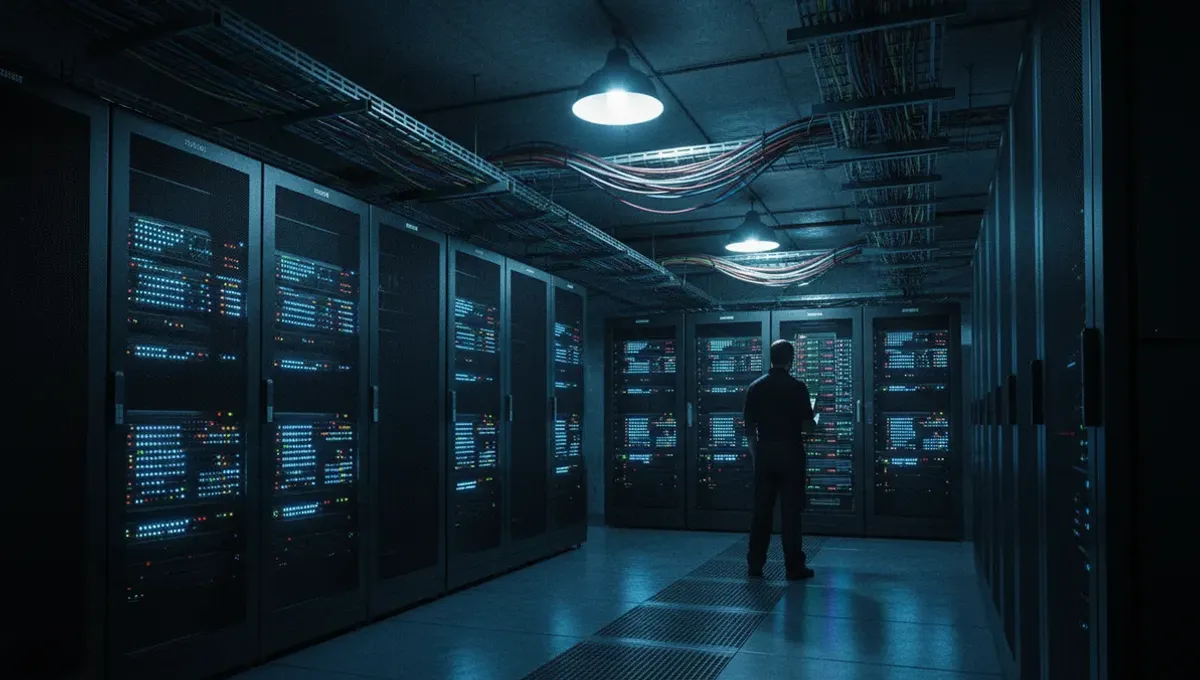
Dark markets are online platforms hosted on encrypted networks, primarily accessed through the Tor browser, where buyers and sellers conduct transactions with relative anonymity. In Thailand, these marketplaces became notable hubs for illegal goods and services, partly due to the country's geographic position in Southeast Asia and its role in regional supply chains. Vendors and buyers used cryptocurrency, primarily Bitcoin and later Monero, to obscure financial trails. The markets typically operated with escrow systems where a third party held funds until both parties confirmed the transaction, though this mechanism was frequently exploited by exit scammers who disappeared with customer deposits. Thai law enforcement agencies, working with international partners, have conducted multiple operations targeting both marketplace operators and high-volume users.
Regional Context: Dark Markets Across Southeast Asia and Beyond
Thailand's darknet activity did not exist in isolation. Dark markets in neighboring regions like dark markets albania, dark markets andorra, and dark markets argentina followed similar operational patterns, though each region had distinct vendor bases and customer demographics. Dark markets australia and dark markets austria represented different regulatory environments and user populations, yet all relied on the same underlying Tor infrastructure and cryptocurrency payment methods. The interconnected nature of these markets meant that vendors often operated across multiple jurisdictions simultaneously, using the same anonymity tools and payment processors. Law enforcement agencies across these regions have increasingly coordinated investigations, recognizing that darknet crime transcends borders. Understanding Thailand's role in this global ecosystem requires acknowledging that local markets were part of a worldwide network of illegal commerce.
How Users Found and Verified Marketplace Addresses
Accessing a dark market required users to first obtain the Tor browser and then locate the marketplace's .onion address. These addresses were typically shared through forums, Reddit communities, encrypted messaging apps, and word-of-mouth within criminal networks. A critical vulnerability in this process was the proliferation of phishing clones: scammers would create fake versions of popular marketplaces with nearly identical names and interfaces, hoping to trick users into depositing funds or revealing credentials. Legitimate marketplace operators sometimes published PGP-signed announcements on their own websites or trusted forums to confirm their real address, but many users ignored these verification steps. Users who connected to a fake marketplace often lost their entire deposit with no recourse. This cat-and-mouse game between operators, scammers, and users created an environment of constant distrust, where even experienced darknet participants could fall victim to well-crafted clones.
The Role of Cryptocurrency and Financial Tracking
Cryptocurrency transactions formed the backbone of dark market commerce, offering pseudonymity rather than true anonymity. Bitcoin, the most widely used currency initially, left a permanent record on the blockchain that law enforcement agencies learned to analyze and trace. Researchers and investigators developed techniques to cluster wallet addresses and identify patterns of money movement, sometimes linking pseudonymous accounts to real-world identities through exchange records, IP address logs, or behavioral analysis. Monero, a privacy-focused cryptocurrency, emerged as a preferred alternative because its transactions are opaque by default, making blockchain analysis far more difficult. Thai authorities and international law enforcement agencies have increasingly focused on cryptocurrency exchange points, where darknet users convert digital currency to local money or vice versa. These chokepoints have proven effective in identifying and prosecuting marketplace operators and major vendors, even when the marketplace itself remained operational.
Law Enforcement Actions and Market Closures
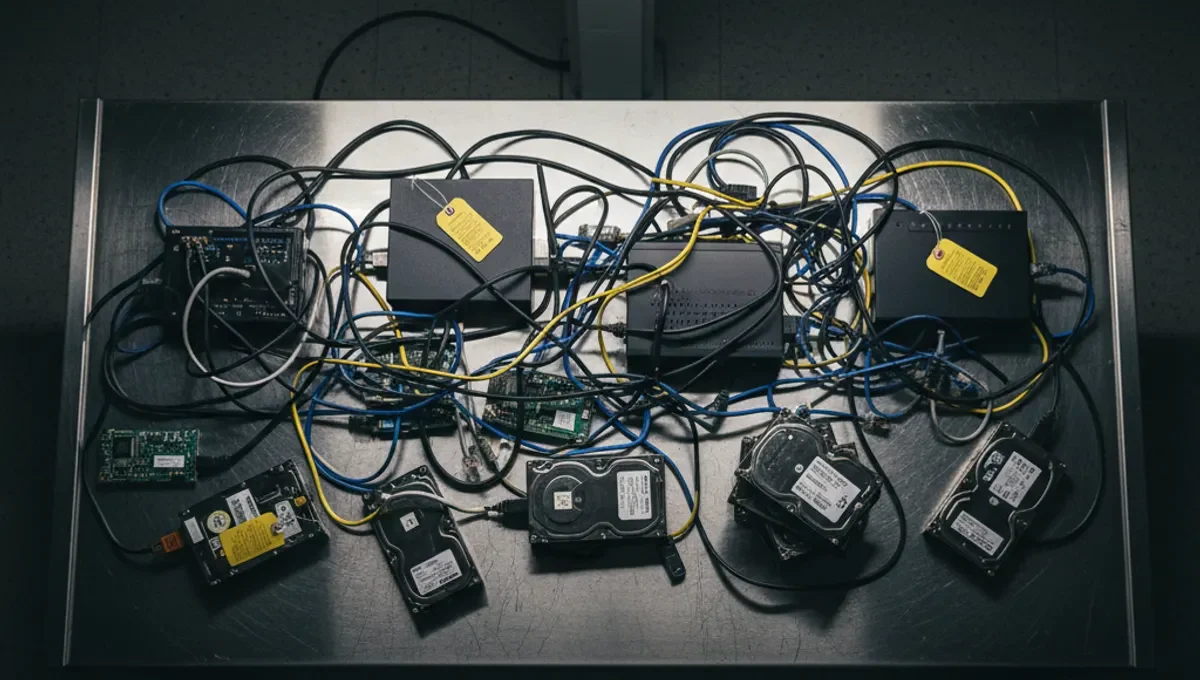
Thai law enforcement, often working with agencies like the DEA, FBI, and Europol, has conducted high-profile operations against darknet marketplaces and their operators. These investigations typically begin with financial analysis, undercover purchases, or tips from international partners. When authorities identify a marketplace operator or major vendor, they may conduct raids, seize servers, or work with hosting providers to take sites offline. However, marketplace closures rarely eliminate the underlying demand or supply; vendors and users typically migrate to alternative platforms within weeks or months. Some marketplaces have been seized by law enforcement and repurposed as honeypots to identify users, while others have simply vanished, suggesting exit scams where operators absconded with customer funds. The cycle of closure and replacement has continued for over a decade, indicating that disrupting individual markets is a temporary measure without addressing the structural incentives that drive darknet commerce.
Risks, Scams, and Why Users Lose Money
Participation in dark markets carries multiple overlapping risks beyond legal consequences. Vendor scams are endemic: a seller accepts payment, fails to deliver, and the marketplace's dispute resolution system either sides with the vendor or proves ineffective. Marketplace exit scams occur when operators suddenly shut down and retain all customer funds held in escrow. Malware is another constant threat; files downloaded from darknet markets may contain trojans, ransomware, or spyware designed to steal cryptocurrency wallets or personal data. Law enforcement honeypots, where seized marketplaces are operated by authorities to identify users, represent a different kind of danger: users who make purchases may later face prosecution. Additionally, many darknet markets are operated by criminal organizations with no interest in fair dealing; they may deliberately short-change customers, sell counterfeit products, or use the platform primarily to launder money. Users who suffer losses have no legal recourse and cannot report fraud to consumer protection agencies without incriminating themselves.
Understanding the Broader Darknet Ecosystem
Dark markets in Thailand existed within a larger infrastructure of forums, messaging services, and information-sharing platforms. These spaces served as marketplaces for stolen data, hacking services, and credentials, not just physical goods. The Tor Project's documentation emphasizes that Tor itself is a neutral tool designed for legitimate privacy; the misuse of Tor for illegal commerce is a separate issue from the technology's purpose. Security researchers and law enforcement agencies monitor darknet forums and markets to identify emerging threats, track ransomware campaigns, and understand criminal supply chains. For ordinary users and security professionals, awareness of how these markets operate is essential for understanding cybersecurity threats, data breach risks, and the importance of strong personal security practices. The existence of these markets underscores why encryption, secure messaging, and careful data handling matter for everyone, regardless of their involvement with the darknet.
What You Can Do to Protect Yourself
If you are concerned about your data appearing on darknet markets or forums, several practical steps can reduce your risk. Monitor your email addresses and usernames using breach-notification services to learn if your credentials have been compromised. Use unique, strong passwords for every online account so that a breach at one service does not compromise others. Enable two-factor authentication wherever available to add a second layer of protection. If you work in cybersecurity or law enforcement and need to monitor darknet activity, use dedicated, isolated systems and never interact with suspicious files or links. For the general public, understanding how dark markets operate is primarily a matter of awareness: knowing that your data may be for sale, that criminals actively seek to exploit security weaknesses, and that investing in basic security hygiene pays dividends. The most important step is recognizing that darknet markets are not a solution to any legitimate problem and that the risks of participation far outweigh any perceived benefits.
Common Questions
Are dark markets in Thailand still operating
The status of specific marketplaces changes constantly as law enforcement conducts raids and operators exit or relocate. Rather than naming current sites, which may be seized or scams, check the Useful Resources page of this site for links to verified security research and law-enforcement announcements about active investigations.
How do people access dark markets safely
There is no truly safe way to access illegal marketplaces. Using Tor and a VPN reduces some tracking risks, but does not prevent law enforcement identification, marketplace scams, malware, or legal prosecution. If you are researching darknet markets for security or academic purposes, use isolated systems and never conduct actual transactions.
What happens if I buy something from a dark market
You face multiple risks: the vendor may not deliver, the marketplace may exit scam, you may receive malware, or you may be identified by law enforcement. Additionally, purchasing illegal goods is itself a crime in most jurisdictions. There is no consumer protection, no refund mechanism, and no legal recourse if you are defrauded.
Can cryptocurrency transactions on dark markets be traced
Bitcoin transactions are traceable through blockchain analysis, and law enforcement agencies have developed sophisticated techniques to link wallets to identities. Monero offers better privacy, but exchanges where users convert cryptocurrency to fiat currency are increasingly monitored by authorities. No cryptocurrency transaction is completely untraceable.
Why do dark markets keep reappearing after they are shut down
Demand for illegal goods and services persists, and the technical barriers to launching a new marketplace are low. Operators and users migrate to new platforms, and the underlying incentives remain unchanged. Disrupting individual markets is a temporary measure; addressing darknet crime requires sustained international cooperation and addressing root causes of illegal supply and demand.