What Dark Markets in Norway Were
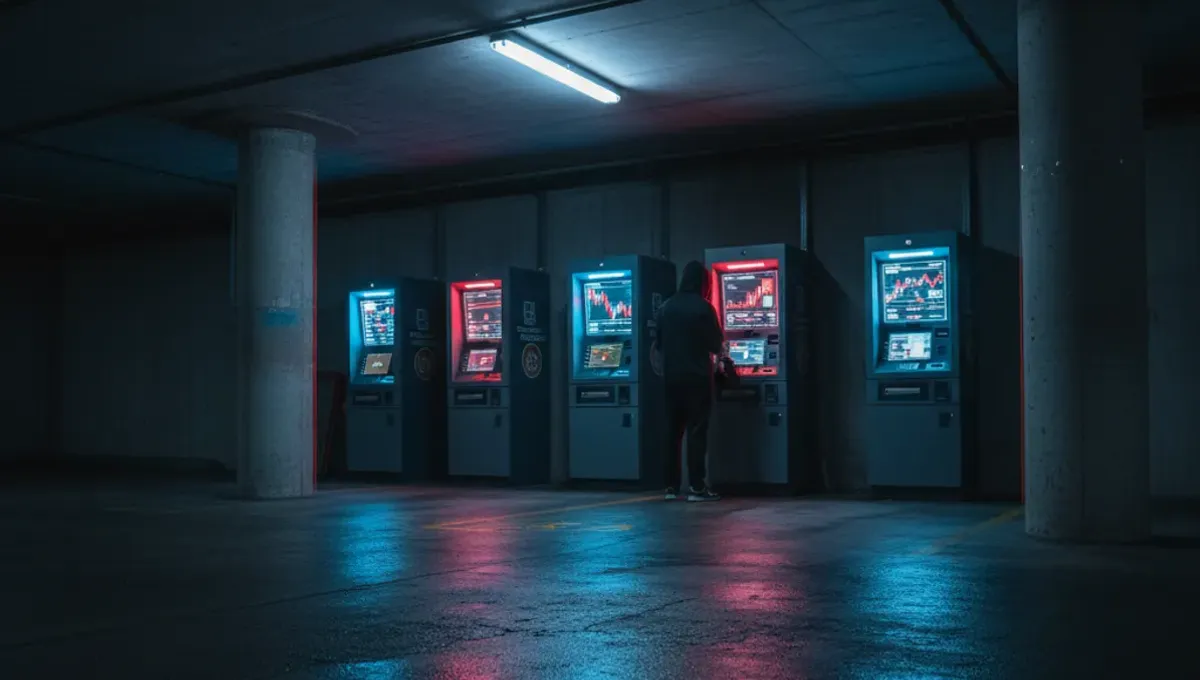
Dark markets norge typically referred to illegal marketplaces on the Tor network where Norwegian vendors and buyers traded contraband, stolen data, and services. These were not unique to Norway; similar markets operated across dark markets albania, dark markets andorra, dark markets argentina, and many other countries. Norwegian markets often used Norwegian language interfaces, accepted Norwegian payment methods, and had vendors based in or shipping from Norway. The markets functioned as decentralized storefronts where users created accounts, browsed listings, and conducted transactions using cryptocurrency. Escrow systems held funds until both buyer and seller confirmed the deal, though disputes were common and resolution depended on market moderators.
How Norwegian Dark Markets Operated
Norwegian dark markets followed the same operational model as their counterparts in dark markets austria, dark markets australia, and other jurisdictions. Vendors registered, uploaded product listings with photographs and descriptions, and set prices in Bitcoin or Monero. Buyers browsed, placed orders, and left reviews and feedback. Market administrators collected fees on each transaction, typically 2-5 percent. Communication between buyer and seller happened through encrypted private messages within the market platform. Shipping was handled through postal services or private couriers; vendors used drop addresses or mailboxes to avoid direct identification. The markets relied on Tor's anonymity layer to hide server locations and user IP addresses, though this protection was never absolute.
Law Enforcement Actions and Market Closures
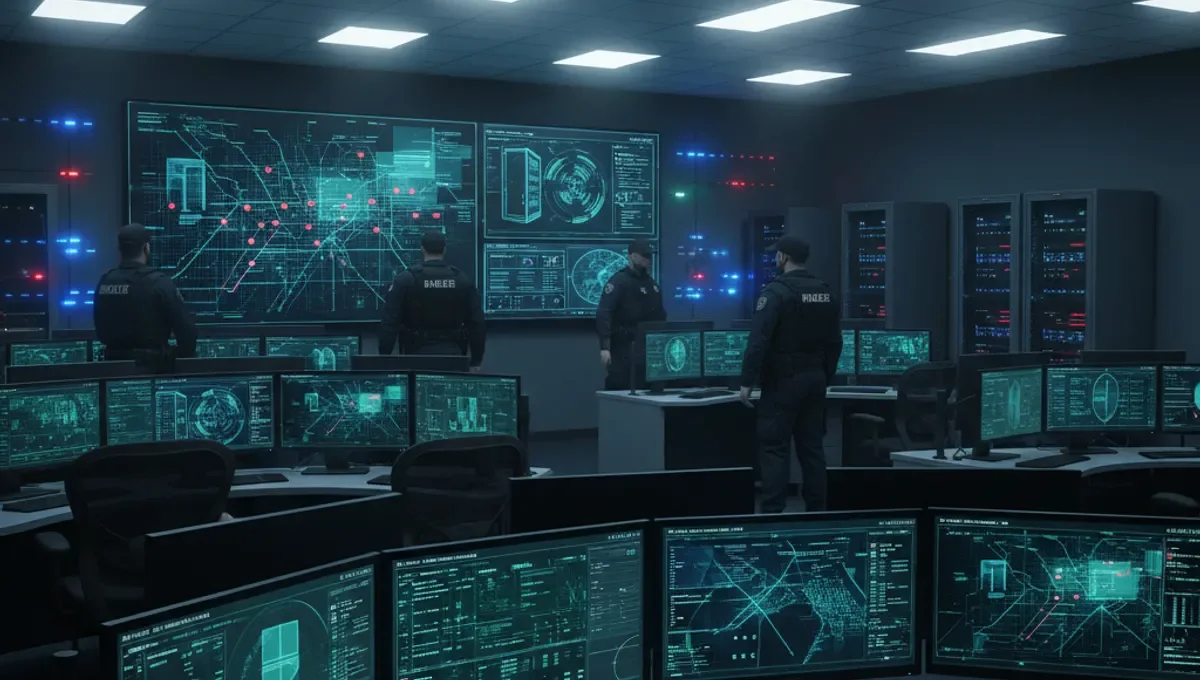
Norwegian police and the National Criminal Investigation Service have conducted multiple operations against darknet markets and their operators. Several high-profile Norwegian vendors and market administrators have been arrested and prosecuted. The Norwegian government has also cooperated with international law-enforcement agencies, including Europol and the FBI, to identify and shut down markets serving Norwegian users. These actions have resulted in the seizure of servers, cryptocurrency wallets, and evidence of illegal transactions. Unlike some markets in dark markets argentina or dark markets australia that operated for years, Norwegian-focused markets often had shorter lifespans due to coordinated law-enforcement pressure. The takedowns have not eliminated the market; they have fragmented it and forced users to migrate to new platforms.
Reality Layer: How the Ecosystem Actually Works
According to Tor Project documentation and academic research on onion services, anonymity on Tor is not guaranteed; law enforcement can and does identify users through traffic analysis, metadata leaks, and operational security failures by vendors and buyers. This matters because Norwegian users often believe they are completely hidden, but a single mistake—reusing a username, logging in without a VPN, or shipping to a home address—can lead to identification and prosecution. Public law-enforcement press releases from Norwegian authorities show that most arrests result from operational security failures rather than technical breakthroughs in breaking Tor. Court records from Norwegian prosecutions reveal that vendors often underestimate the sophistication of police investigations; financial analysis, package tracking, and informant tips have been more effective than cryptographic attacks. Security-vendor incident reports document that many Norwegian dark-market users have been victims of exit scams, where market administrators disappear with user funds, or phishing clones, where fake market mirrors steal login credentials.
Comparison with Markets in Neighboring Regions
Dark markets in Norway shared characteristics with those in dark markets albania, dark markets andorra, and other European jurisdictions, but differed in scale and language. Norwegian markets were smaller and more specialized than large international platforms; they often focused on drugs, stolen payment cards, and hacking services. Markets in dark markets austria and dark markets australia, by contrast, served larger user bases and hosted more diverse product categories. Nordic markets (Norway, Sweden, Denmark) often coordinated or competed with each other, and some vendors operated across multiple countries. Law-enforcement cooperation within the EU and with international partners has been more effective in Nordic countries than in regions with weaker institutional capacity, which is why Norwegian markets have faced more sustained pressure than some alternatives in dark markets argentina or dark markets albania.
Why Users Trusted or Distrusted These Markets
Norwegian users chose specific dark markets based on reputation, language support, and perceived security. Markets that had been online for months without exit scams built trust; vendors with high feedback scores and long histories attracted more buyers. However, trust was fragile. Exit scams, where market administrators stole user funds and disappeared, destroyed confidence quickly. Phishing clones—fake mirrors of legitimate markets—exploited user trust by copying the design and stealing login credentials. Users who fell for clones lost access to their accounts and funds. The lack of legal recourse meant that victims had no way to recover losses. Norwegian law-enforcement agencies have warned users that participation in these markets is illegal and that victims of scams have no protection under Norwegian law.
Risks, Misconceptions, and What Matters Today
A common misconception is that using Tor makes you invisible. It does not. Tor hides your IP address from the website you visit, but it does not hide your activity from your internet service provider, your government, or determined adversaries. Norwegian users who believed they were safe on dark markets norge often faced prosecution after law enforcement identified them through financial records, shipping data, or informant tips. Another misconception is that cryptocurrency transactions are untraceable. They are not; blockchain analysis can link wallets to exchanges and eventually to real identities. Users who bought drugs or stolen goods on Norwegian dark markets have been convicted and imprisoned. The lesson is that participation in illegal marketplaces carries real legal risk, regardless of the anonymity tools used. If you are researching this topic for security awareness or academic purposes, focus on understanding how these markets operated and how people get caught, not on how to use them safely.
What You Can Do Today
If you are concerned about your own security or privacy online, the focus should be on legal tools and practices, not on accessing dark markets. Use a reputable VPN to protect your browsing from your ISP; enable two-factor authentication on all accounts; use a password manager to generate unique passwords; and keep your operating system and software up to date. If you are a researcher, journalist, or security professional studying darknet markets, consult the Useful Resources page of this site for links to PGP-signed announcements, official Tor documentation, and law-enforcement reports. Verify any .onion address through multiple independent sources before trusting it. If you have information about illegal activity on the dark web, report it to your local law-enforcement agency or to Europol. Understanding how dark markets norge and similar platforms operated is valuable for security awareness; participating in them is not.
Common Questions
Are there still dark markets in Norway operating now
The status of specific markets changes frequently due to law-enforcement actions, exit scams, and voluntary closures. Norwegian authorities continue to conduct operations against darknet marketplaces. Rather than relying on outdated information, check official law-enforcement announcements and security research from reputable sources for current details.
How did Norwegian dark markets get shut down
Norwegian police and international law-enforcement partners used financial analysis, package tracking, informant tips, and operational security failures by vendors to identify and arrest market operators and users. Servers were seized and cryptocurrency wallets were frozen. Cooperation between Norwegian authorities and Europol accelerated these operations.
Can you get caught using a dark market in Norway
Yes. Tor does not make you invisible to law enforcement. Mistakes in operational security, such as reusing usernames, shipping to a home address, or linking cryptocurrency to a real identity, have led to arrests and convictions in Norway. Financial records and postal data have been used to identify buyers and sellers.
What is the difference between dark markets in Norway and other countries
Norwegian markets were typically smaller and language-specific compared to large international platforms. Law-enforcement cooperation within the EU has been more effective in Nordic countries, resulting in faster market closures. Markets in other regions, such as dark markets argentina or dark markets albania, have sometimes operated longer due to weaker institutional capacity.
Is it legal to research dark markets for academic purposes
Academic and journalistic research on darknet markets is legal in Norway and most countries. However, accessing illegal marketplaces, creating accounts, or conducting transactions is not. Researchers should use published reports, court records, and law-enforcement data rather than direct participation.