What Dark Markets in Moldova Actually Are
Dark markets in Moldova are not a single marketplace but rather a collection of underground forums, vendor networks, and transaction hubs that operate on the Tor network or encrypted platforms. These markets typically facilitate the sale of stolen data, malware, hacking services, and counterfeit goods. Moldova's weak regulatory enforcement and its position as a bridge between Eastern and Western Europe make it attractive to operators who want to minimize detection while reaching multiple regional markets.
Unlike a centralized marketplace with a single operator, Moldovan dark market activity is often distributed across multiple forums and private channels. Vendors and buyers may use Moldovan hosting infrastructure, payment processors, or money laundering services without the market itself being physically based there. This distinction matters because law enforcement actions against one forum do not disrupt the entire ecosystem.
Regional Connections: Albania, Austria, and Beyond
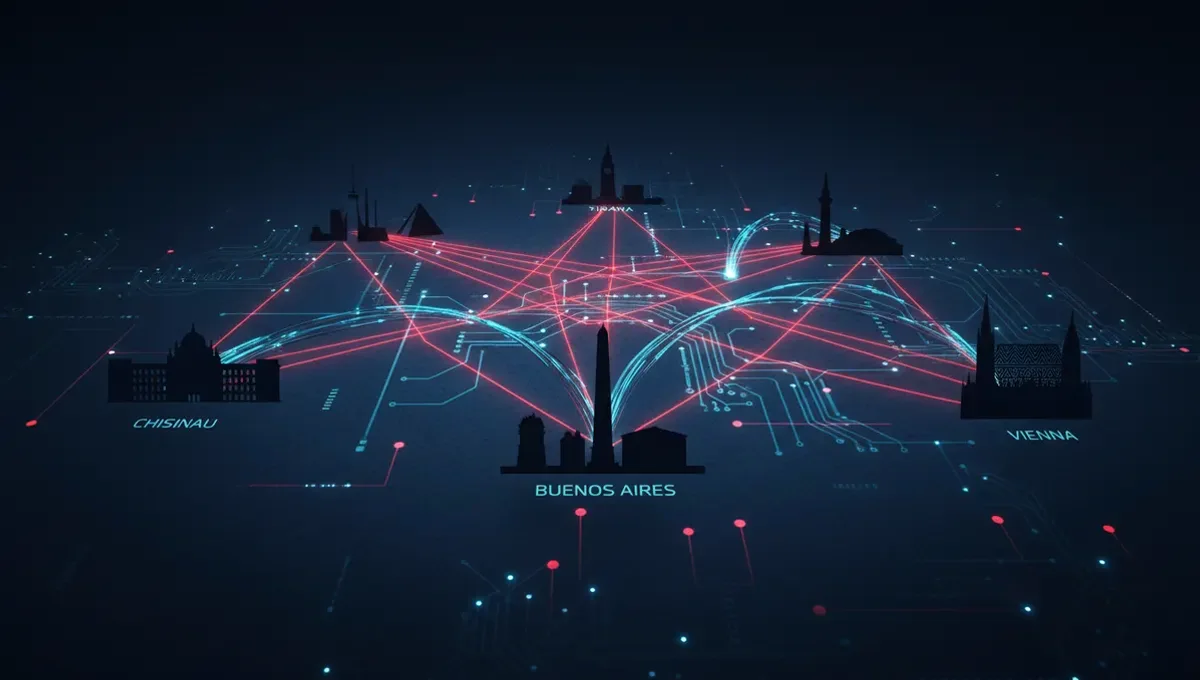
Dark markets in Moldova operate within a broader Eastern European and Balkan ecosystem that includes similar operations in Albania, Andorra, and Austria. These markets often share vendors, use overlapping payment methods, and coordinate on pricing and product listings. A vendor operating in dark markets Albania may also list goods on Moldovan forums, and the same cryptocurrency wallets may appear across multiple regional marketplaces.
Austria and Andorra serve different roles in this network. Austria, with its banking infrastructure and proximity to Western Europe, is often used for money laundering and cryptocurrency conversion. Andorra's small size and banking secrecy have historically attracted financial crime operations. Dark markets Argentina operates independently but shares similar vendor networks and customer bases with Eastern European markets, particularly for counterfeit documents and financial fraud services. Understanding these regional connections helps explain why a single law enforcement action in one country often has ripple effects across multiple markets.
How Moldovan Dark Market Infrastructure Works
Moldovan dark market operations typically rely on a combination of Tor hosting, cryptocurrency payments, and money laundering through local banks or informal transfer systems. Vendors use encrypted messaging to communicate with buyers, often requiring PGP verification to prevent phishing and impersonation. The markets themselves may operate as forums where vendors post listings, or as more automated platforms where transactions are processed through escrow systems.
Payment flows through these markets usually involve Bitcoin or Monero, which are then converted to fiat currency through exchanges or peer-to-peer networks. Local money mules or cryptocurrency brokers in Moldova facilitate the conversion, taking a percentage cut. This creates a financial trail that law enforcement can sometimes follow, though the use of privacy coins and mixing services complicates tracking. The infrastructure is deliberately decentralized to survive the closure of any single component.
Why Moldova Appears in Threat Reports
Security vendors and law enforcement agencies frequently mention Moldova in connection with dark market activity for three main reasons: its role as a hosting jurisdiction for underground forums, its use as a money laundering hub, and its position as a recruitment ground for cybercriminals. Several major data breaches have been traced to operators using Moldovan infrastructure or payment systems. Additionally, Moldova has been identified as a source of malware distribution and phishing campaigns targeting Western European banks and businesses.
The country's weak cybercrime prosecution and limited resources for investigating financial crime make it attractive to operators who want to minimize legal risk. However, Moldova has also been the target of increased international pressure and cooperation agreements with Europol and the FBI, leading to some high-profile arrests and server seizures. The situation is fluid, and the status of specific markets or infrastructure changes as law enforcement actions occur.
Reality Layer: How the Ecosystem Actually Operates
According to Tor Project documentation on onion service hosting and security-vendor incident reports on regional cybercrime networks, dark markets in Moldova and neighboring countries operate as loosely coordinated nodes rather than centralized enterprises. This distributed model means that disrupting one market does not collapse the entire ecosystem; vendors and buyers simply migrate to alternative forums or private channels. Law enforcement press releases from Europol and the FBI have documented how these markets use multiple layers of obfuscation, including false flag operations where markets claim to be based in one country while actually operating from another.
A critical insight from court records and academic research on onion services is that most users of these markets do not verify the actual location or legitimacy of the infrastructure they are using. Phishing clones and exit scams are endemic because buyers cannot easily confirm whether they are communicating with the real vendor or a fraudster. This matters to ordinary users and companies because data stolen from victims in one country is often sold across multiple regional markets, meaning a breach in Austria or Argentina may result in credentials being traded on Moldovan forums within days.
Risks and How Users Get Exploited
Participants in dark markets face multiple overlapping risks. Buyers who send cryptocurrency to vendors may never receive goods or services, and the escrow systems that are supposed to protect them are often controlled by the market operators themselves, who can simply disappear with the funds. Vendors face the risk of being scammed by buyers who claim non-delivery and demand refunds, or by law enforcement who may pose as customers to gather evidence.
Phishing is particularly severe in this context. Attackers create clone sites that look identical to legitimate dark markets, and users who mistype a URL or click a malicious link end up sending their cryptocurrency to criminals. The lack of centralized domain registration and the ease of creating new Tor addresses mean that users cannot rely on a single authoritative source to verify which address is real. Additionally, all participants face the risk of deanonymization through traffic analysis, malware, or law enforcement subpoenas to hosting providers or cryptocurrency exchanges.
Verification and Safer Practices for Security Researchers
If you are a security researcher, journalist, or analyst investigating dark markets in Moldova or the broader Eastern European region, verification is essential. Do not rely on a single source or a market's own claims about its location or legitimacy. Cross-reference information with PGP-signed announcements from market operators, check the Useful Resources page of this site for verified research repositories, and consult public law enforcement press releases and court documents.
When examining market infrastructure, use tools like Whonix or Tails in a virtual machine to isolate your research environment from your main system. Never send cryptocurrency or personal information to verify an address or market. Instead, use passive reconnaissance techniques such as reviewing archived forum posts, analyzing blockchain transactions (which are pseudonymous but traceable), and monitoring security vendor reports. If you discover evidence of active criminal activity, report it to the FBI's Internet Crime Complaint Center or your local law enforcement agency rather than attempting to investigate further on your own.
What You Can Do Today
If you are concerned about your data being traded on dark markets, start by checking whether your credentials have appeared in known breaches. Use the Useful Resources section of this site to access verified data leak monitoring tools and guides. Change passwords for critical accounts, enable two-factor authentication, and monitor your financial accounts for unauthorized activity. If you are a business, implement data loss prevention tools and train your staff to recognize phishing attempts that may originate from attackers who have purchased stolen credentials on regional dark markets. Understanding how these markets operate and how your data flows through them is the first step toward protecting yourself and your organization.
Common Questions
Are dark markets in Moldova still active
The status of specific markets changes frequently due to law enforcement actions, exit scams, and voluntary closures. Rather than relying on claims that a market is currently online, verify any address through PGP-signed announcements and the Useful Resources section of this site. Security vendor reports and law enforcement press releases provide the most reliable information about which infrastructure is currently operational.
How is Moldova connected to dark markets in Albania and Austria
These countries form part of an interconnected Eastern European and Balkan cybercrime ecosystem. Vendors operate across multiple regional markets, payment systems overlap, and money laundering routes connect them. Austria serves as a financial hub for converting cryptocurrency to fiat, while Albania and Moldova are used for hosting and recruitment. Understanding these connections helps explain why disrupting one market has effects across the entire region.
What kind of goods are sold on dark markets moldova
Typical listings include stolen data and credentials, malware and hacking tools, counterfeit documents, and money laundering services. The specific inventory varies by market and changes over time. Law enforcement reports and security vendor threat intelligence provide documented examples of what has been observed, though active market listings should not be accessed by ordinary users.
How do I know if my data is being sold on a dark market
Use data breach monitoring tools available through the Useful Resources section of this site to check whether your email address or credentials have appeared in known breaches. If they have, change your passwords immediately and enable two-factor authentication. Do not attempt to access dark markets yourself to verify whether your data is there; instead, rely on security vendors and law enforcement agencies who monitor these platforms.
What should I do if I accidentally accessed a phishing clone of a dark market
Do not send any cryptocurrency or personal information. Close your browser immediately and restart your computer or virtual machine. If you are using Tails or Whonix, reboot to clear all traces. If you entered credentials or sent funds, assume they are compromised and take immediate action to secure your accounts and financial information.