What Were Dark Markets in Italy
Dark markets operating in or targeting Italy were typically Tor-based marketplaces where vendors and buyers conducted transactions using cryptocurrency and pseudonyms. These platforms differed from general-purpose markets like those operating in Albania, Andorra, or Argentina by focusing on Italian criminal networks and local demand. Italian markets often emphasized narcotics, counterfeit documents, and stolen financial data tied to Italian banking systems. The marketplace model replicated conventional e-commerce: vendor registration, escrow systems, dispute resolution, and user ratings. Buyers accessed these sites through the Tor Browser, which masked their IP address and location. Vendors maintained anonymity through cryptocurrency wallets and dead-drop logistics. The appeal lay in perceived distance from local law enforcement, though Italian authorities and Europol actively monitored these operations.
How Italian Dark Markets Connected to Broader European Networks
Italian dark markets did not operate in isolation. They were part of a larger European underground economy that included markets in Austria, Australia, and other jurisdictions. Vendors often shipped across borders, leveraging postal systems and courier services to move contraband. Italian markets frequently advertised products sourced from or destined for other European countries, creating supply chains that crossed multiple borders. This interconnection meant that disrupting one market had ripple effects across the region. Law enforcement agencies in Italy, Germany, and the Netherlands coordinated investigations to map these networks. The presence of similar markets in Argentina and Australia showed that the model was global, though regional markets maintained local specialization. Italian authorities recognized that shutting down a single marketplace did not eliminate demand; vendors simply migrated to successor platforms or operated directly through encrypted messaging.
Operational Structure and Vendor Networks
Italian dark markets typically operated with a core administrative team, a vendor base ranging from dozens to hundreds, and a user community of buyers. Administrators set marketplace rules, collected fees on transactions, and managed technical infrastructure. Vendors paid listing fees and commission on sales, creating revenue for the platform. Dispute resolution occurred through moderators or automated escrow systems that held cryptocurrency until both parties confirmed the transaction. Many Italian vendors specialized in specific product categories: some focused on narcotics sourcing, others on document forgery or stolen data. Trust was built through transaction history and user reviews, similar to conventional marketplaces. However, exit scams were common: administrators would abruptly close the platform and disappear with escrow funds and vendor deposits. This cycle of market creation, operation, and collapse repeated frequently, with new platforms launching within weeks of a predecessor's shutdown.
Law Enforcement Disruption and Market Seizures
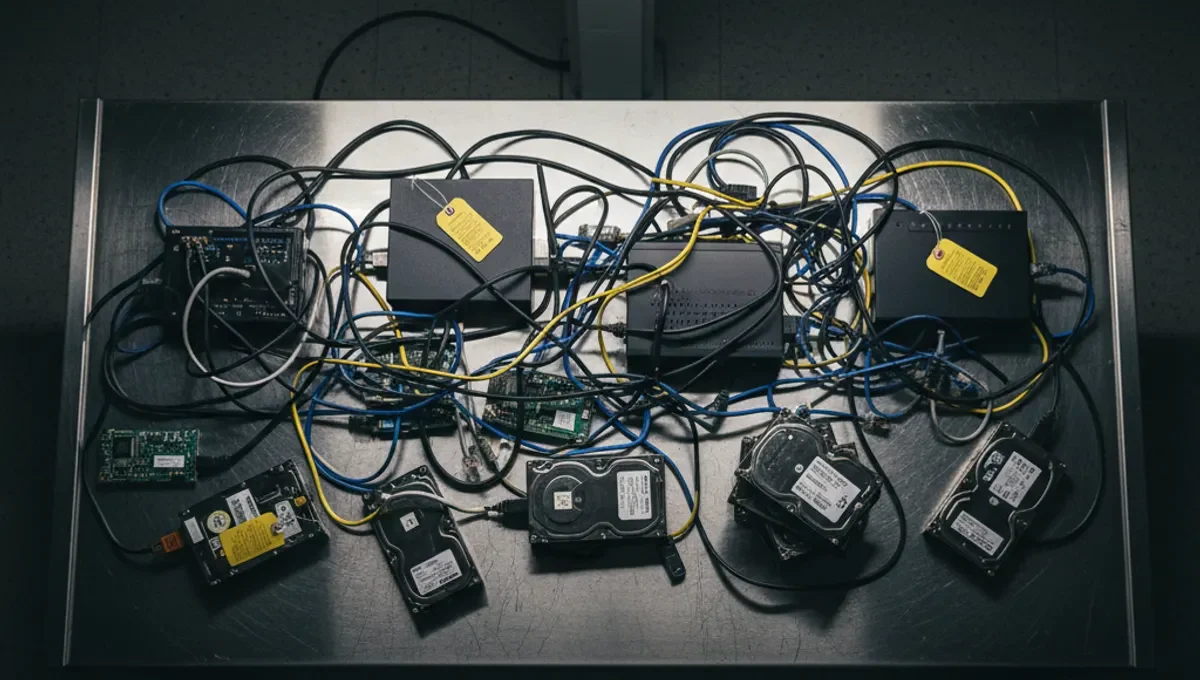
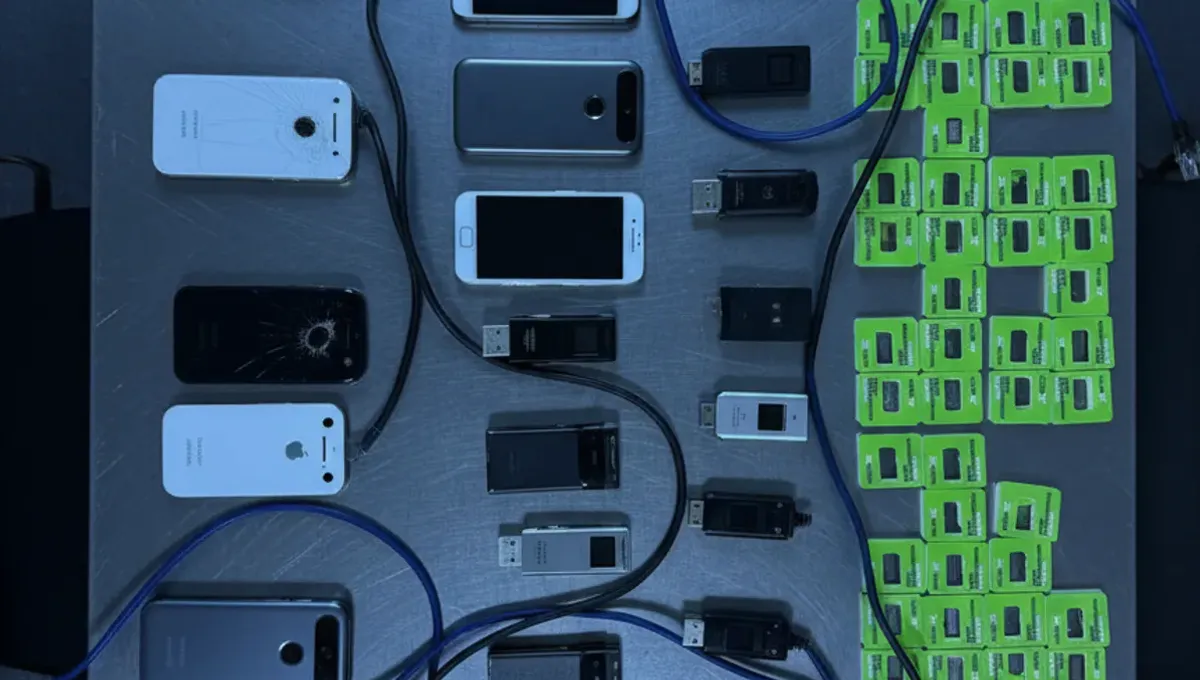
Italian law enforcement, working with Europol and international partners, conducted operations against dark markets throughout the 2010s and 2020s. These investigations typically combined technical analysis of blockchain transactions, undercover purchases, and cooperation with hosting providers and domain registrars. When authorities identified a marketplace, they would gather evidence of illegal transactions, identify administrators and key vendors, and coordinate arrests. Seizures often resulted in the publication of vendor lists and transaction histories, exposing participants to further investigation. The Italian Postal Police and the Guardia di Finanza led many of these operations. Successful takedowns did not eliminate the market; instead, users migrated to alternative platforms or established new ones. The cycle of disruption and replacement became a feature of the ecosystem rather than a solution to it. Authorities learned that technical seizures alone were insufficient without prosecuting administrators and major vendors.
Reality Layer: How These Markets Actually Functioned
Three key insights shape understanding of Italian dark markets. First, according to Tor Project documentation and academic research on onion services, these marketplaces were vulnerable to law enforcement precisely because they required stable infrastructure: servers, domain registration, and cryptocurrency payment processing created forensic trails. This matters because it shows why no dark market is truly untraceable; every transaction leaves evidence somewhere in the chain. Second, public law-enforcement press releases from Italian authorities and Europol reveal that most users were not sophisticated criminals but ordinary people seeking convenience or avoiding local pricing. This context matters because it explains why demand persists even after high-profile seizures. Third, court records from Italian prosecutions show that exit scams and administrator theft were more common than law-enforcement seizures, meaning users lost more money to fraud than to arrests. This matters because it demonstrates that the real risk to participants is not primarily legal but financial.
Phishing Clones and Impersonation Risks
As Italian dark markets gained notoriety, scammers created fake versions of popular platforms to steal cryptocurrency and credentials. These clones mimicked the original marketplace interface, copied vendor listings, and directed users to phishing pages. A user searching for a market link might land on a clone instead of the legitimate site, enter their credentials, and lose their wallet. Distinguishing genuine marketplaces from clones required technical verification: checking PGP-signed announcements from administrators, verifying onion addresses through multiple independent sources, and confirming that the site's SSL certificate was valid. Many users lacked these skills and fell victim to clones. Administrators of legitimate markets sometimes posted warnings about clones on forums, but these warnings were themselves targets for impersonation. The proliferation of clones meant that even if a user found a genuine marketplace, they faced significant risk of accessing a fake version. This dynamic undermined trust in the entire ecosystem and contributed to the eventual decline of centralized dark markets.
Why Italian Markets Matter for Security Awareness
Understanding Italian dark markets provides lessons for cybersecurity and law enforcement strategy. The markets demonstrated that cryptocurrency alone does not guarantee anonymity; blockchain analysis and transaction pattern recognition allowed investigators to identify participants. They showed that centralized marketplaces are inherently vulnerable to seizure, which eventually led to the development of decentralized trading platforms and peer-to-peer models. Italian markets also illustrated how regional criminal networks adapt to disruption: when one market closed, vendors and users quickly migrated to alternatives or established new platforms. For ordinary users, the key lesson is that participation in dark markets carries both legal and financial risk. Law enforcement has become increasingly sophisticated in tracing cryptocurrency transactions and identifying marketplace participants through operational security failures. The Italian experience, alongside similar operations in Austria, Australia, and other jurisdictions, shows that no marketplace remains operational indefinitely and that users who believe they are anonymous often are not.
Moving Forward: Verification and Safer Practices
If you are researching dark markets for security awareness or academic purposes, verify information through official sources rather than marketplace announcements. The Useful Resources page of this site provides links to law-enforcement press releases, court documents, and Tor Project guidance. Never assume that a marketplace link you find online is legitimate; phishing clones are ubiquitous. If you are concerned that your data may have been exposed in a marketplace breach or data leak, monitor your financial accounts and consider using a credit-monitoring service. Understand that accessing dark markets carries legal risk in most jurisdictions, regardless of intent. For security professionals and researchers, the Italian market ecosystem offers case studies in how law enforcement disrupts underground commerce and how criminal networks adapt. The most concrete step you can take today is to review the PGP fingerprints and official announcements of any project you are researching, rather than relying on third-party links or marketplace claims.
Common Questions
What was the largest dark market operating in Italy
Several markets operated with significant Italian user bases, but no single market was exclusively Italian. Markets like World Market and others served European users including Italy. The status of these markets changes frequently due to seizures and exit scams. For current information on which platforms were active and their status, consult law-enforcement press releases and the Useful Resources page of this site.
How did Italian dark markets get shut down
Italian authorities, working with Europol and international partners, conducted investigations that combined blockchain analysis, undercover purchases, and cooperation with hosting providers. When a marketplace was identified, law enforcement would gather evidence of illegal transactions, identify administrators, and coordinate arrests. Seizures typically resulted in the publication of transaction histories and vendor lists.
Are dark markets still operating in Italy
The landscape of dark markets changes constantly. Individual marketplaces are seized or close due to exit scams, but new platforms emerge. Rather than asking whether specific markets are active, focus on understanding how to verify the legitimacy of any marketplace you encounter and the legal and financial risks of participation.
How can I tell if a dark market link is real or a phishing clone
Verify the onion address through multiple independent sources and check for PGP-signed announcements from the marketplace administrator. Legitimate marketplaces publish their official addresses and PGP fingerprints on forums and through trusted channels. If you cannot verify the address through official sources, assume it is a clone. Never enter credentials or send cryptocurrency to an unverified address.
What happened to vendors and users when Italian dark markets were seized
When law enforcement seized a marketplace, transaction histories and vendor lists were often published, exposing participants to further investigation and prosecution. Some vendors and users faced criminal charges; others simply migrated to alternative platforms. Exit scams were more common than seizures, meaning many users lost money to administrator theft rather than to law enforcement.