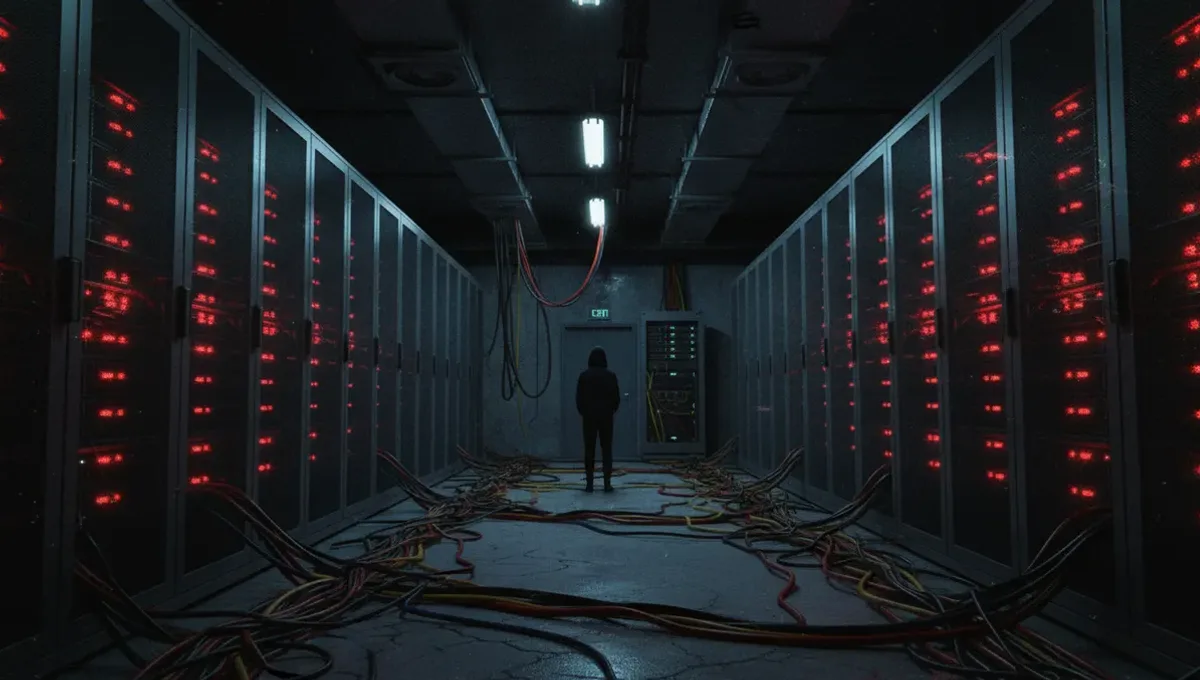
What Daeva Was and How It Operated
Daeva was a darknet market accessible only through the Tor network, operating as a peer-to-peer trading platform where vendors listed goods and services. Like other darknet markets of that era, it used cryptocurrency (typically Monero or Bitcoin) for transactions and required users to create accounts with usernames and passwords. The marketplace featured vendor profiles, buyer reviews, and an escrow system intended to reduce fraud, though these protections were only as reliable as the market's administrators.
The platform attracted users seeking anonymity for legal and illegal purchases alike. Vendors ranged from those selling digital goods to those offering controlled substances. Daeva's interface was similar to mainstream e-commerce sites in structure, but operated entirely outside legal jurisdiction and without payment processors, banks, or law enforcement oversight built into its design.
Daeva's Position Among 2022 Darknet Markets
During 2022, the darknet market ecosystem included several competing platforms, each claiming reliability and security. Aero market darknet and Agora darknet market were among the larger competitors, while smaller platforms like Daeva attempted to capture market share by offering lower fees, faster transactions, or claims of better security. The competitive pressure was intense because users constantly migrated between markets in response to rumors of exit scams, law enforcement infiltration, or technical failures.
Daeva positioned itself as a trustworthy alternative by maintaining uptime and processing transactions quickly. However, the darknet market landscape is inherently unstable. Vendors and buyers have no legal recourse if they are defrauded, and administrators can disappear with escrow funds at any time. This structural vulnerability meant that even well-intentioned platforms struggled to retain user confidence over time.
Why Darknet Markets Close or Disappear
Daeva, like most darknet markets, eventually went offline. The reasons vary: law enforcement seizure, exit scam by administrators, distributed denial-of-service (DDoS) attacks, or simple technical failure. Without knowing the specific circumstances of Daeva's closure, the general pattern is clear.
Markets face pressure from multiple directions. Law enforcement agencies worldwide monitor Tor traffic and attempt to identify and arrest administrators and major vendors. Exit scams occur when operators decide to stop operating and steal all funds held in escrow. Technical attacks can render a market inaccessible for days or permanently. Users have no insurance or recovery mechanism, so when a market closes, their funds and data are often lost. This cycle of closure and replacement is why new darknet markets constantly emerge and why users must verify addresses carefully before depositing funds.
Reality Check: How Darknet Markets Actually Fail
According to Tor Project documentation on onion service security, darknet markets are vulnerable to operational security failures by administrators, which can lead to deanonymization and law enforcement action. This matters because it shows that even markets claiming strong security often have weak points in how they are run.
Public law-enforcement press releases from agencies like the U.S. Department of Justice and Europol document that darknet market seizures typically occur after months or years of investigation, often involving undercover purchases, financial tracking, and server compromise. Court records from prosecutions of market administrators reveal that many operators made mistakes in operational security, such as reusing usernames across platforms or failing to properly anonymize their own access logs.
Security-vendor incident reports on darknet market takedowns show that exit scams are also common, with administrators simply ceasing operations and keeping user funds. This means that even if a market is not seized, it may simply vanish. Users cannot distinguish between a law enforcement action and an exit scam until after the fact, which is why depositing large sums on any darknet market carries extreme risk.
Phishing Clones and Verification Risks
After Daeva closed, scammers likely created fake mirrors or clones of the marketplace, using similar names and interfaces to trick users into depositing cryptocurrency. This is a standard tactic in the darknet ecosystem. A phishing clone looks identical to the real market but is controlled by attackers who steal all deposited funds.
To verify whether an onion address is legitimate, users should check PGP-signed announcements from the market's official channels (typically posted on Reddit or dedicated forums before the market went offline). Never trust an address found through a search engine or shared in a chat. If a market has been offline for months, any new address claiming to be that market is almost certainly a scam. The safest approach is to assume that any market you cannot verify through multiple independent sources is not trustworthy.
Lessons for Understanding Darknet Market Risk
Daeva's history illustrates why darknet markets are inherently risky for users. The lack of legal protection, combined with the technical difficulty of running an anonymous service, creates an environment where fraud, theft, and law enforcement action are constant threats.
Users who trade on darknet markets face several concrete risks:
- Loss of funds to exit scams or market closure
- Arrest or prosecution if purchasing illegal goods
- Theft of personal data if the market is compromised
- Exposure to phishing clones and fake mirrors
- Malware or surveillance through malicious vendor listings
These risks exist regardless of how well-designed a market claims to be. Even markets with strong reputations can fail overnight. This is why security researchers and law enforcement consistently advise against using darknet markets for any purpose.
What to Do Instead: Safer Alternatives
If you are researching darknet markets for security awareness or academic purposes, the safest approach is to read documented case studies and law-enforcement reports rather than accessing markets directly. The Tor Project's documentation on onion service security provides technical context without requiring you to visit dangerous sites.
If you are concerned about privacy for legitimate purposes, use legal tools: a reputable VPN for general privacy, Tor Browser for anonymous browsing of public websites, and encrypted messaging apps like Signal for communications. These tools do not require you to visit darknet markets and carry far lower legal and security risk.
For security professionals and researchers, accessing darknet markets should only occur in isolated virtual environments with proper legal authorization and institutional oversight. Casual browsing or trading on these platforms exposes you to criminal liability, financial loss, and malware infection. The information available about markets like Daeva is sufficient for understanding how they work without direct participation.
Common Questions
Is Daeva darknet market still online
Daeva is not currently operational. Like most darknet markets, its status changes over time due to law enforcement action, technical failure, or exit scams. If you encounter a site claiming to be Daeva, verify it through PGP-signed announcements from before the market went offline. Any new address is likely a phishing clone designed to steal cryptocurrency.
What was Daeva market used for
Daeva operated as a general darknet marketplace where vendors listed both legal and illegal goods and services. It functioned similarly to other darknet markets of that era, using cryptocurrency for transactions and an escrow system for dispute resolution. Users accessed it exclusively through Tor Browser.
How did Daeva compare to Aero and Agora darknet markets
Daeva, Aero, and Agora were competing platforms during the same period, each claiming advantages in speed, security, or lower fees. All three operated on the same basic model: peer-to-peer trading through Tor with cryptocurrency payments. None of these markets remain reliably operational, and all have been targets of law enforcement or have experienced exit scams.
Why do darknet markets like Daeva close
Darknet markets close for several reasons: law enforcement seizure of servers, exit scams by administrators who steal escrow funds, DDoS attacks, or technical failures. Users have no legal recourse when a market closes, so funds held in escrow are typically lost. This cycle of closure and replacement is a defining feature of the darknet market ecosystem.
How can I tell if a Daeva mirror is real or a phishing scam
Verify any claimed Daeva address through PGP-signed announcements from the market's official channels before it went offline. If the market has been down for months, any new address is almost certainly a scam. Never deposit funds on an address you cannot verify through multiple independent sources.