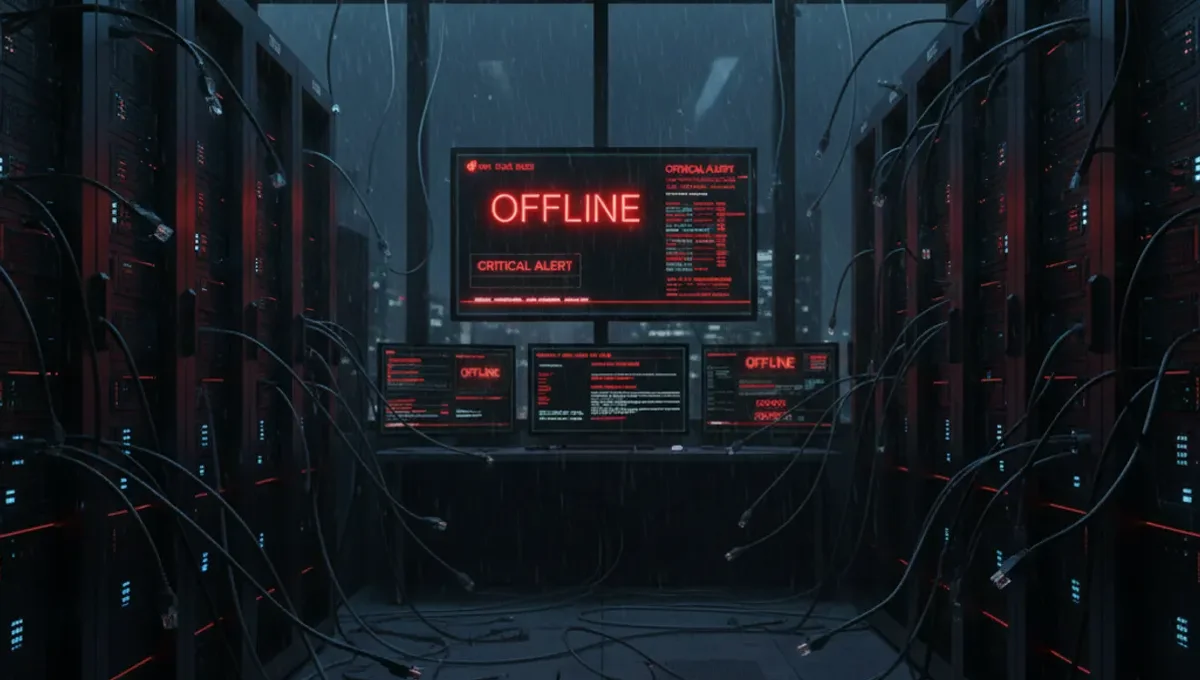
What Cartel Market Was
Cartel Market was a Tor-based darknet marketplace that emerged as one of several platforms attempting to replicate the model established by earlier markets. Like other darknet markets, it used Monero and Bitcoin for transactions, featured vendor ratings and escrow systems, and hosted listings across multiple categories. The marketplace operated with the typical structure: vendors created accounts, listed products, buyers browsed and purchased, and the platform took a commission on sales. Cartel Market positioned itself as an alternative to other established darknet markets, competing for user traffic through claims of better security, faster transactions, or lower fees. However, the specific operational details of Cartel Market remain less documented than some of its predecessors, partly because it never achieved the scale or notoriety of markets like Silk Road or AlphaBay.
How Darknet Markets Operated
Darknet markets like Cartel Market functioned as decentralized commerce platforms hosted on Tor hidden services. Users accessed them through the Tor Browser, which anonymizes traffic by routing it through multiple relays. The marketplace software typically included user accounts, product listings, messaging between buyers and vendors, and an escrow system to reduce fraud. Transactions used cryptocurrency, primarily Monero for its privacy features, though Bitcoin was also common. Vendors maintained reputation scores based on buyer reviews, creating a trust mechanism similar to conventional e-commerce platforms. The anonymity provided by Tor and cryptocurrency created an environment where law enforcement faced significant technical and jurisdictional challenges in identifying participants. However, this same anonymity also enabled scams, theft by administrators (exit scams), and law-enforcement infiltration, as demonstrated by the FBI's seizure of markets like AlphaBay and the Silk Road.
Current Status of Cartel Market
Cartel Market is not currently operational. The marketplace is no longer accessible, and no verified onion address for it exists. Like many darknet markets, it either closed voluntarily, was seized by law enforcement, suffered an exit scam, or was abandoned by its operators. The exact circumstances of its closure are not publicly documented with certainty. Users searching for a Cartel Market link online may encounter phishing clones, fake mirrors, or scam sites claiming to be the original marketplace. These fraudulent sites are designed to steal cryptocurrency, credentials, or personal information from users. Anyone who encounters a supposed Cartel Market link should verify its authenticity through PGP-signed announcements from the original operators, though such announcements are rare and often unreliable. The safest assumption is that any active Cartel Market link is a phishing attempt.
Phishing Clones and Verification Risks
One of the most persistent threats in the darknet market ecosystem is the proliferation of phishing clones. When a popular market closes or goes offline, scammers quickly create fake versions with similar names and layouts to deceive users. These clones may appear identical to the original site but are controlled by attackers. Users who log in or deposit cryptocurrency on a clone lose their funds immediately. Verifying the authenticity of a darknet marketplace address requires several steps. First, check whether the operators have published a PGP-signed announcement on trusted forums or their official communication channels. Second, compare the onion address character-by-character with any official sources. Third, look for security indicators such as a valid SSL certificate (though this is rare on Tor sites) or consistent operator behavior. For Cartel Market specifically, no verified official announcement of a legitimate active address exists, making any current link highly suspect. Users should assume that searching for Cartel Market links is likely to lead to phishing sites rather than a functioning marketplace.
Law Enforcement and Market Seizures
Darknet markets face constant pressure from law enforcement agencies worldwide. The FBI, DEA, Europol, and other organizations have successfully infiltrated and seized numerous markets, including AlphaBay, Hansa, and the Silk Road. These operations typically involve months or years of undercover work, cryptocurrency tracing, and coordination across jurisdictions. When a market is seized, law enforcement may operate it covertly for a period to identify users and vendors before making arrests. In other cases, markets are simply taken offline and their servers confiscated. The closure of a market like Cartel Market may have resulted from such action, though public information about specific operations is limited. According to law-enforcement press releases and court records, the most common vulnerabilities exploited by investigators include operational security failures by administrators, cryptocurrency transaction analysis, and informant tips. Users should understand that participation in darknet markets carries legal risk regardless of the platform's technical security, as law enforcement has demonstrated the ability to de-anonymize participants through multiple methods.
Why Users Sought Cartel Market and Similar Platforms
Darknet markets like Cartel Market attracted users for several reasons, though the motivations varied widely. Some users sought access to goods and services unavailable or illegal in their jurisdictions. Others were drawn by the perceived anonymity and the absence of traditional payment processing restrictions. Vendors used these platforms to reach customers without conventional banking or merchant account requirements. The escrow system and reputation mechanics created a semblance of trust in an otherwise anonymous environment. However, these same features also created opportunities for fraud. Vendors could disappear with deposited funds, administrators could conduct exit scams, and buyers could lose money to scammers posing as legitimate sellers. The appeal of Cartel Market relative to other markets likely centered on perceived reliability, lower fees, or claims of better security. However, the marketplace's eventual closure demonstrates that no darknet market has proven sustainable against law enforcement pressure or resistant to the internal incentives that drive exit scams and administrative theft.
Risks and Security Misconceptions
A common misconception is that Tor and cryptocurrency provide complete anonymity and legal protection. While these tools offer genuine privacy benefits, they do not make illegal activity invisible to law enforcement. Cryptocurrency transactions, even on Monero, can be traced through blockchain analysis, exchange records, and transaction pattern recognition. Tor exit nodes can be monitored, and users can be de-anonymized through operational security mistakes, browser fingerprinting, or malware. Darknet market users also face risks from other participants: vendors who never ship goods, administrators who steal funds, and scammers who impersonate legitimate sellers. The loss of funds on a darknet market is typically unrecoverable, as there is no chargeback mechanism or customer protection. Users should understand that accessing Cartel Market or any similar marketplace carried legal risk in most jurisdictions, regardless of technical anonymity. Additionally, the search for active Cartel Market links exposes users to phishing sites, malware, and credential theft. The safest approach is to recognize that these markets are inherently risky and that the risks extend beyond law enforcement to include fraud and financial loss from other participants.
Verifying Onion Addresses and Staying Safe
If you encounter a supposed Cartel Market link or any other darknet marketplace address, follow these verification steps before accessing it. First, check the Useful Resources page on this site for guidance on PGP verification and official announcement channels. Second, search for recent PGP-signed statements from the marketplace operators on trusted forums or their documented communication channels. Third, compare the onion address character-by-character with any official sources; even a single character difference indicates a phishing clone. Fourth, check whether the site's security certificate and layout match documented screenshots of the original marketplace. Fifth, never enter credentials, deposit funds, or enable JavaScript on an unverified site. If you cannot verify the address through multiple independent sources, assume it is a phishing attempt. For Cartel Market specifically, the absence of any verified active address or recent official announcement strongly suggests that any current link is fraudulent. The most secure approach is to avoid searching for links to closed or offline markets altogether, as the search itself exposes you to phishing and malware risks.
Common Questions
Is Cartel Market still online
No, Cartel Market is not currently operational. The marketplace is no longer accessible, and no verified active onion address exists. Any supposed Cartel Market link you encounter online is likely a phishing clone designed to steal your cryptocurrency or credentials.
How do I verify if a darknet market link is real
Check for PGP-signed announcements from the operators on trusted forums, compare the onion address character-by-character with official sources, and look for consistent operator communication. If you cannot verify the address through multiple independent sources, assume it is fraudulent. Never enter credentials or funds on an unverified site.
What happened to Cartel Market
The exact circumstances of Cartel Market's closure are not publicly documented with certainty. It may have been seized by law enforcement, suffered an exit scam, or been abandoned by its operators. Like many darknet markets, it eventually became inaccessible.
Why are there so many fake Cartel Market links
When a popular darknet market closes, scammers create phishing clones with similar names and layouts to deceive users into depositing cryptocurrency or entering credentials. These clones are designed to steal funds and personal information. Searching for closed marketplace links significantly increases your exposure to these scams.
Can law enforcement trace cryptocurrency transactions on darknet markets
Yes, law enforcement agencies use blockchain analysis, exchange records, and transaction pattern recognition to trace cryptocurrency transactions, including those on darknet markets. While Monero offers greater privacy than Bitcoin, no cryptocurrency provides complete anonymity. Users should understand that participation in darknet markets carries legal risk.