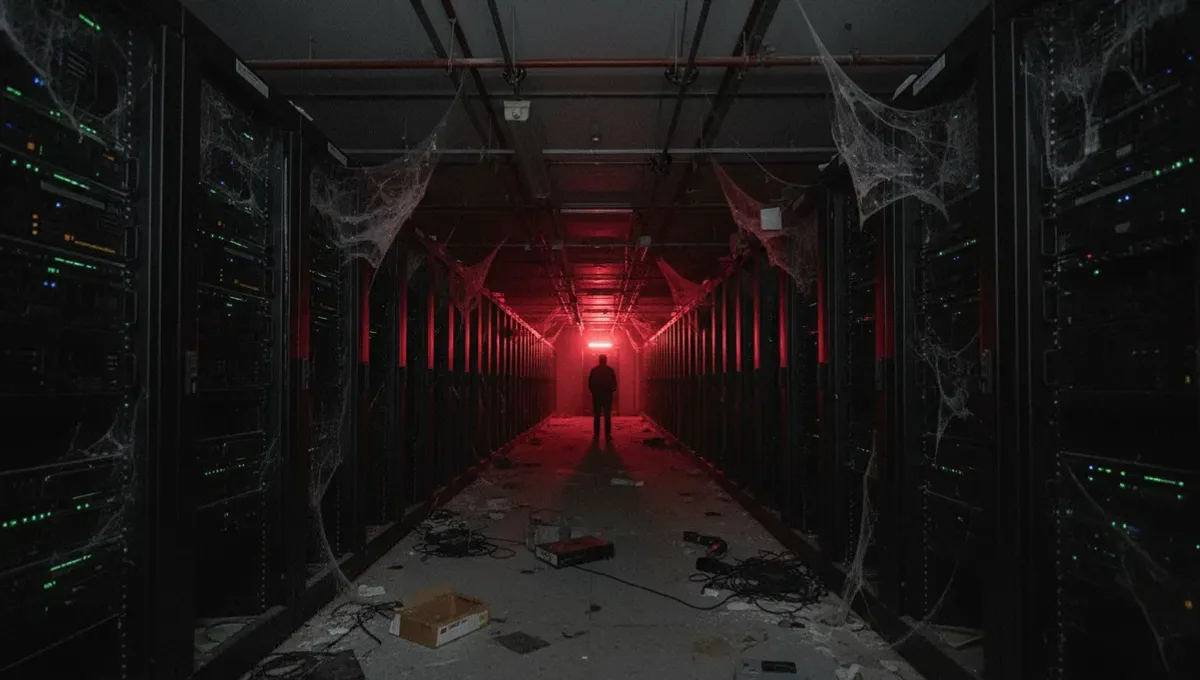
What Archetyp Market Was
Archetyp market functioned as a darknet marketplace accessible only through the Tor browser using an onion address. It operated similarly to other illicit markets, offering a platform where vendors could list products and buyers could browse listings using cryptocurrency for transactions. The marketplace used escrow systems and vendor reputation scores to build trust among users, though such mechanisms provided no legal protection or guarantee of safety.
Like its predecessors, Archetyp marketed itself as a secure alternative to earlier platforms that had been shut down by law enforcement. The marketplace attracted users by emphasizing operational security features and claiming to have learned from the failures of markets like Alphabay. However, the fundamental business model remained unchanged: facilitating illegal transactions while taking a percentage of each sale.
How Darknet Markets Operate and Fail
Darknet marketplaces typically follow a predictable lifecycle. They launch with promises of better security than competitors, gain users through word-of-mouth on forums and social media, scale rapidly as transaction volume increases, and eventually face either law enforcement seizure, exit scams, or technical compromise.
Archetyp's operational model included:
- Vendor registration and product listing systems
- Buyer account creation with cryptocurrency wallet integration
- Escrow holding funds until transaction completion
- Dispute resolution mechanisms between buyers and vendors
- Reputation systems to incentivize vendor reliability
Despite these features, the marketplace remained vulnerable to the same threats that have closed every major darknet market: server compromise, law enforcement infiltration, and the inherent instability of operating outside legal jurisdiction. Vendors and buyers had no recourse if funds disappeared or products never arrived.
The Archetyp Market Darknet Link and Access
Accessing Archetyp market required the Tor browser, which routes traffic through multiple relays to obscure a user's IP address and location. Users would obtain the marketplace's onion address through forums, Reddit discussions, or word-of-mouth referrals. However, this distribution method created significant security risks.
Phishing clones of popular darknet markets are extremely common. Scammers would create fake Archetyp market URLs that looked identical to the real marketplace, stealing login credentials and cryptocurrency from users who made mistakes. Verifying the authentic onion address required checking PGP-signed announcements from market administrators, a step many users skipped. This vulnerability affected not only Archetyp but every major darknet market, as users often cannot reliably distinguish legitimate addresses from fraudulent mirrors.
Why Archetyp Market Matters for Security Awareness
Archetyp market's history illustrates several critical lessons about darknet infrastructure and law enforcement capability. First, Tor Project documentation confirms that while Tor provides strong anonymity for legitimate users, it does not protect marketplaces from being identified, infiltrated, or seized by determined law enforcement agencies. Second, court records from previous darknet market prosecutions show that cryptocurrency transactions, despite their pseudonymous nature, can be traced through blockchain analysis and exchange records. Third, security-vendor incident reports consistently document that marketplace operators face constant pressure from both law enforcement and competing criminals.
For ordinary users, the key takeaway is that using darknet markets carries severe legal and financial risks. Purchasing illegal goods creates a permanent record on the blockchain, exposes users to scams and malware, and can result in federal prosecution. Even users who believe they are anonymous often are not.
Comparison to Other Darknet Markets
Archetyp market operated in a crowded ecosystem that included platforms like Alphabay, White House Market, and World Market. Each claimed superior security or operational practices, yet all faced similar fates. Alphabay was shut down by the FBI and DEA in 2017. White House Market closed voluntarily in 2022. World Market has experienced repeated downtime and security issues.
The pattern is consistent: darknet markets promise anonymity and security but cannot deliver either at scale. Law enforcement agencies have become increasingly sophisticated at identifying marketplace operators through operational security failures, cryptocurrency tracing, and infiltration. Users who believe one market is safer than another are often mistaken. The only reliable constant is that every major darknet marketplace eventually closes, either through law enforcement action or exit scam.
Risks and Misconceptions About Darknet Markets
A common misconception is that using Tor and cryptocurrency makes transactions untraceable. In reality, blockchain analysis firms and law enforcement agencies routinely follow cryptocurrency trails to identify users. Court documents from darknet market prosecutions show that investigators combined blockchain analysis, server logs, and traditional detective work to build cases against both operators and high-volume buyers.
Another misconception is that darknet markets are safer than street-level transactions. Users face scams from vendors who take payment and never deliver, malware embedded in product listings or files, and law enforcement stings where undercover agents pose as vendors. Additionally, purchasing illegal goods creates a permanent record that can be used against you years later, even if the marketplace is long gone. The anonymity Tor provides is technical, not legal.
What Changed After Archetyp and Similar Closures
Following the closure of major darknet markets, the ecosystem fragmented rather than disappeared. Some users migrated to smaller, less visible platforms. Others turned to encrypted messaging apps and peer-to-peer transactions. Law enforcement agencies responded by increasing resources dedicated to darknet investigations, forming specialized units, and developing better cryptocurrency tracing tools.
The broader lesson is that darknet markets are not stable platforms. Users who rely on them for regular transactions face constant uncertainty about whether the marketplace will exist tomorrow. This instability, combined with the legal and financial risks, makes darknet markets fundamentally unreliable for any purpose. For security-conscious users, the safest choice is to avoid them entirely. If you are researching darknet markets for academic or professional reasons, consult the Useful Resources page of this site for verified information sources and PGP-signed announcements from legitimate projects like the Tor Project.
Common Questions
Is Archetyp market still online
The operational status of darknet markets changes frequently due to law enforcement action, technical issues, and exit scams. Archetyp's last documented state should be verified through current security research and law enforcement announcements rather than assumed. No darknet market has proven stable long-term, so any marketplace claiming to be operational today may be offline tomorrow or compromised.
How do I verify a real Archetyp market onion address
Phishing clones of darknet markets are extremely common and nearly identical to legitimate sites. The only reliable verification method is checking PGP-signed announcements from official marketplace administrators on trusted forums or the Tor Project's resources. If you cannot verify an address cryptographically, assume it is a scam designed to steal your credentials and cryptocurrency.
What happened to Archetyp market
Like most major darknet markets, Archetyp faced law enforcement pressure and operational challenges. The specific details of its closure depend on whether it was seized, exit-scammed, or taken offline voluntarily. Court records and law enforcement press releases provide the most reliable information about what happened to specific marketplaces.
Is using Tor and cryptocurrency enough to stay anonymous on darknet markets
No. While Tor provides strong anonymity for legitimate uses, cryptocurrency transactions are traceable through blockchain analysis. Law enforcement agencies routinely follow cryptocurrency trails to identify users. Court records from darknet market prosecutions show that technical anonymity does not provide legal protection.
How is Archetyp market different from Alphabay or other darknet markets
Archetyp operated using the same basic model as other darknet markets: vendor listings, escrow systems, and cryptocurrency payments. Each marketplace claimed superior security, but all faced similar risks from law enforcement and exit scams. The differences were mostly marketing; the fundamental vulnerabilities were identical.